
At our meeting this month, our President, Rose Chapman, welcomed one guest. She also welcomed a special visitor Jude Vaughan, National President of the WI in New Zealand, who was visiting her mother, Pam McKinlay, our cherished longest serving member and former President.
Our Speaker was David Richmond-Coggan from the RNLI.
The RNLI was originally known as the National Institution for the Preservation of Life from Shipwreck and was founded in 1824 by Sir William Hillary who lived on the Isle of Man and saw many deadly shipwrecks. He wanted a united, national rescue service instead of separate local groups. The name of the organisation changed to the RNLI in 1854. The RNLI is a 24-hour search and rescue service across the UK and Ireland, and most lifeboat crews are volunteers who also have other jobs.
In the past it was felt having female crew members on boat were deemed bad luck. Women’s roles were at start therefore to push the boats out. In 1969 the RNLI started to train women as part of the crew.
RNLI worst disaster in history was in 1886 in Southport and St Annes where 27 men, 16 widows and 50 children died.
1 in 3 lifeguards are women and in 2005, 2006 and 2007 female lifeguards were given the RNLI bronze medal for gallantry.
Sue Hennessy was the Founder Principal of The Lifeboat College, which opened in 2004, where crew volunteers are trained. She retired from running the college in 2008. She wrote a book called Hidden Depths – Women of the RNLI for those that may be interested in reading this book. Most of the Trustees and Executors of the RNLI are women.
David spoke about the story of Grace H Darling born 1815 who lived with her parents in a lighthouse (father being a lighthouse keeper) in Longstone. One day in 1838 she saw a paddle steamer in trouble having run aground on rocks and broke in half. With her small non-motorised boat she and her father went to the rescue and rescued and saved 8 crew and 1 passenger and bought them ashore to the lighthouse. When the RNLI turned up (her brother was a crew of the RNLI) to the shipwreck they found no survivors, but he knew that his sister Grace had already rescued them.
Since the Marchioness boat disaster on the River Thames in 1989 which resulted in deaths – there are now RNLI lifeboats on the River Thames.
RNLI boats have improved and are all-weather lifeboats that use a self-righting design to flip boat back upright automatically after a capsize.
The RNLI runs mostly on public gifts and money left in wills – it costs £200 million a year to run lifesaving services. 4 million people are alive today having been rescued since implementation of the RNLI and in 2025 82,900 people were helped by RNLI lifeboat crews.
It was an interesting talk.
At this meeting, we also had a raffle run by Maureen and April.
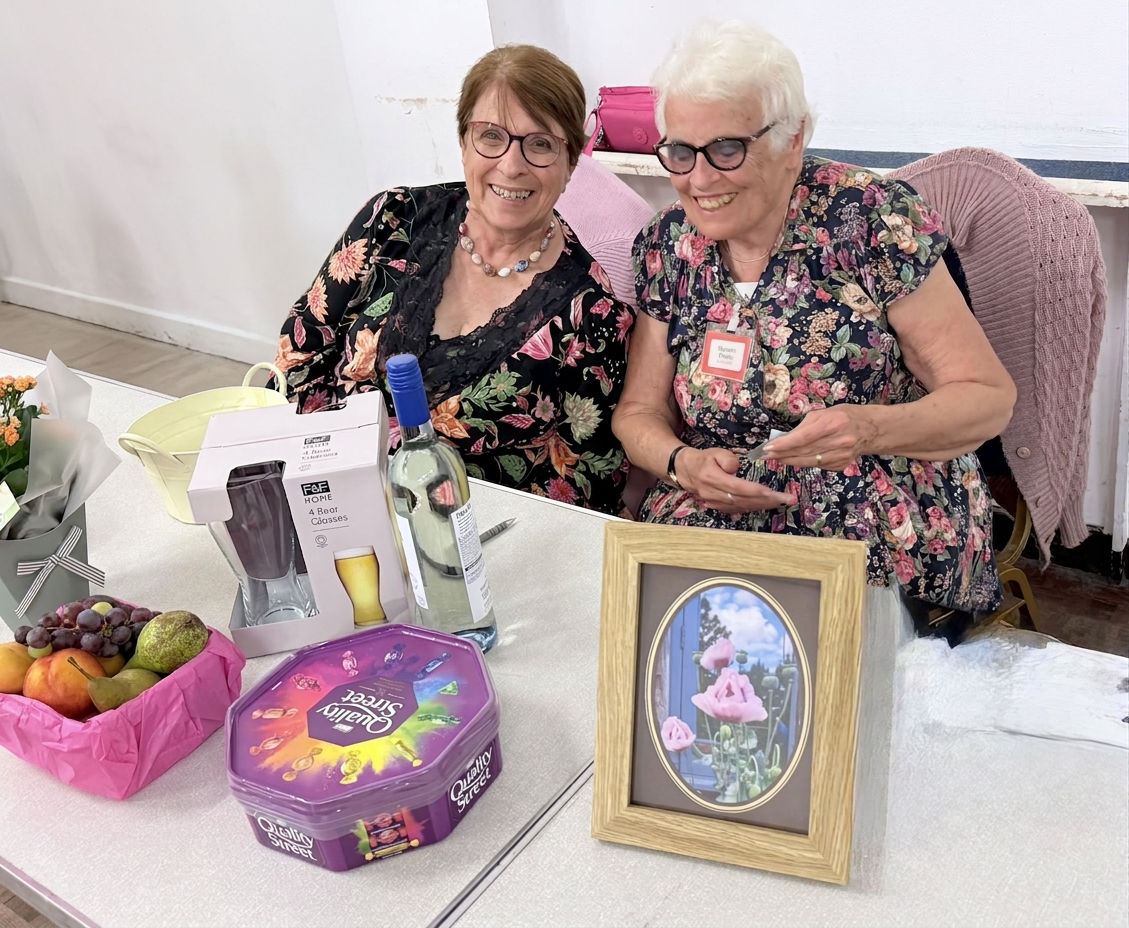
We also had our ‘Competition of the Month’ which was either a photo from the summer outing to the Poppy Factory, or a photo of a poppy. The coins from the vote go to ACWW.
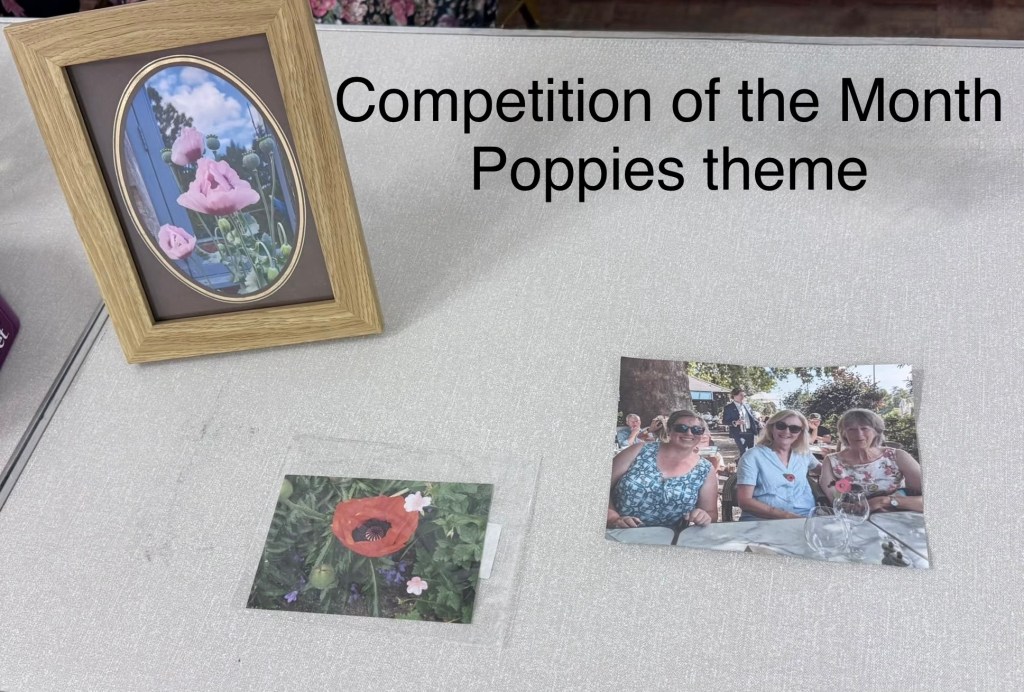
The winner was Maureen.
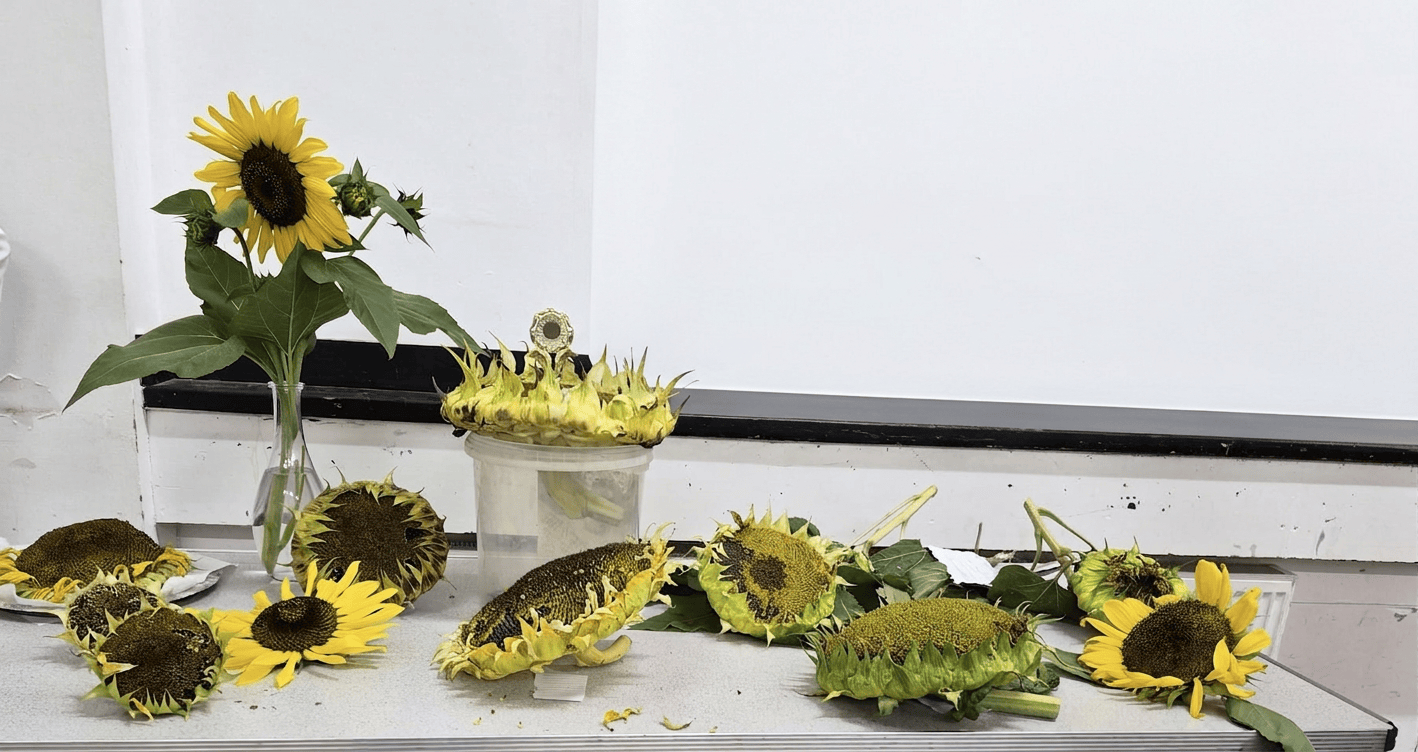
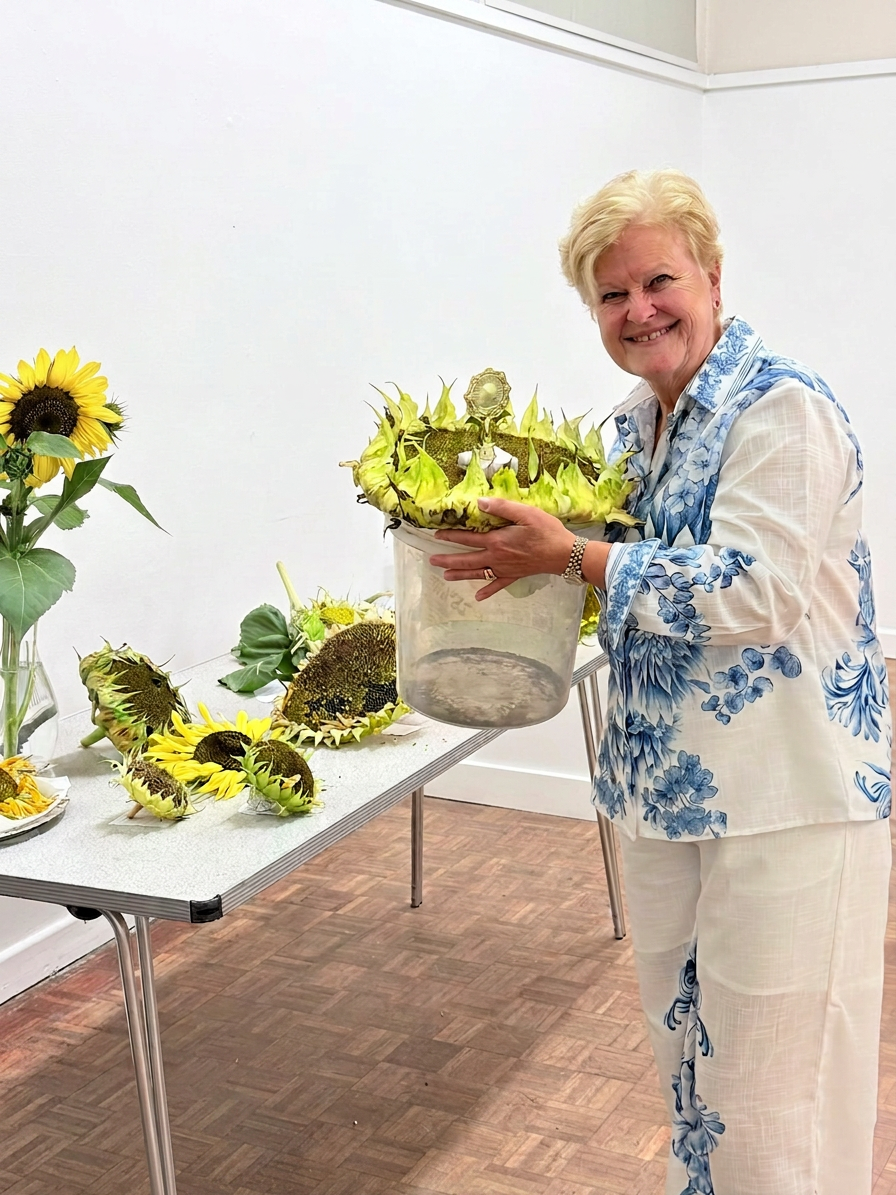
We also had our ‘Annual Growing Competition’, which this year was growing a sunflower and presenting the head, the winner being the biggest head.
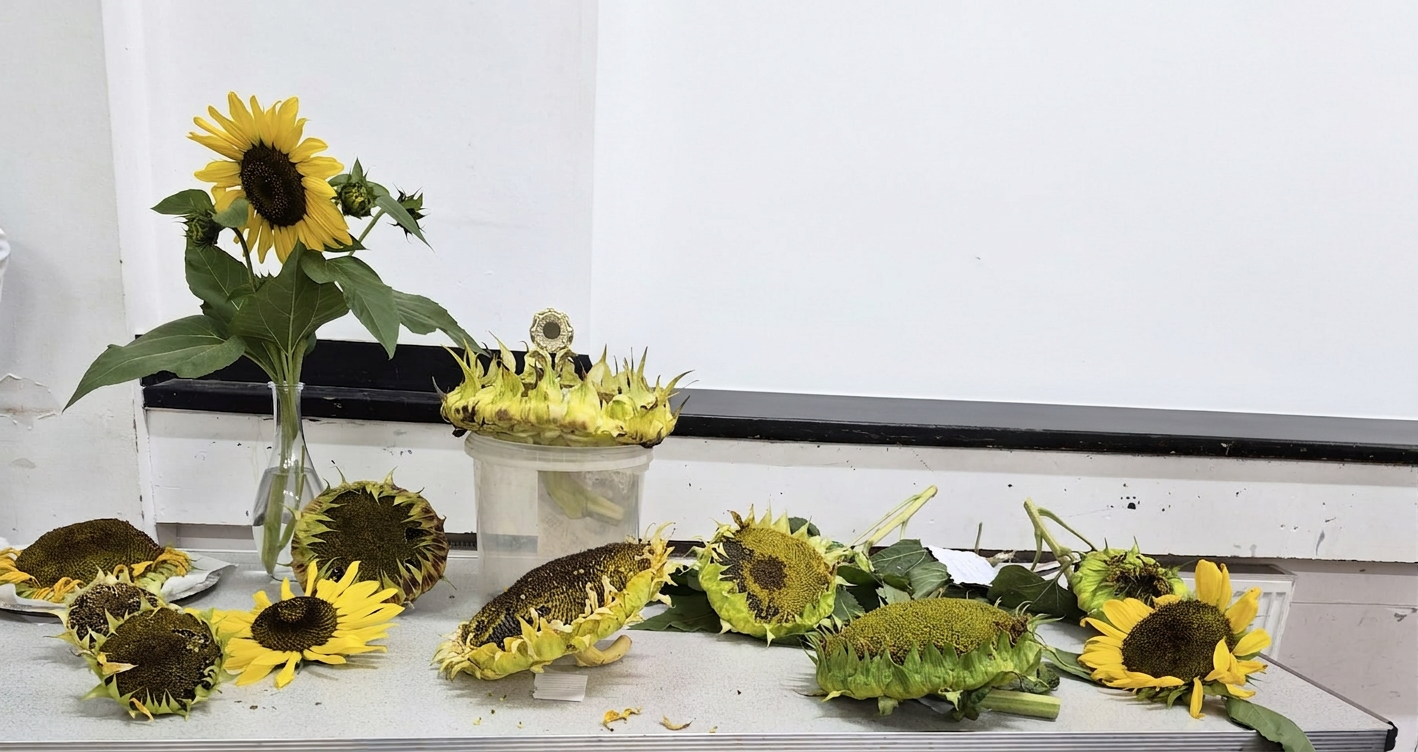
The winner was Kim with her whopper of a sunflower head.
Our next meeting is on Monday 12th October and our speaker is Nellie Ghaffar (former Bake-Off Winner).
Thanks go to Suzanne K for writing the report and to Suzanne K and Christine K for the photos.


One thought on “Brockenhurst WI’s September Meeting 2026”