
Citizen Science – Great UK WaterBlitz
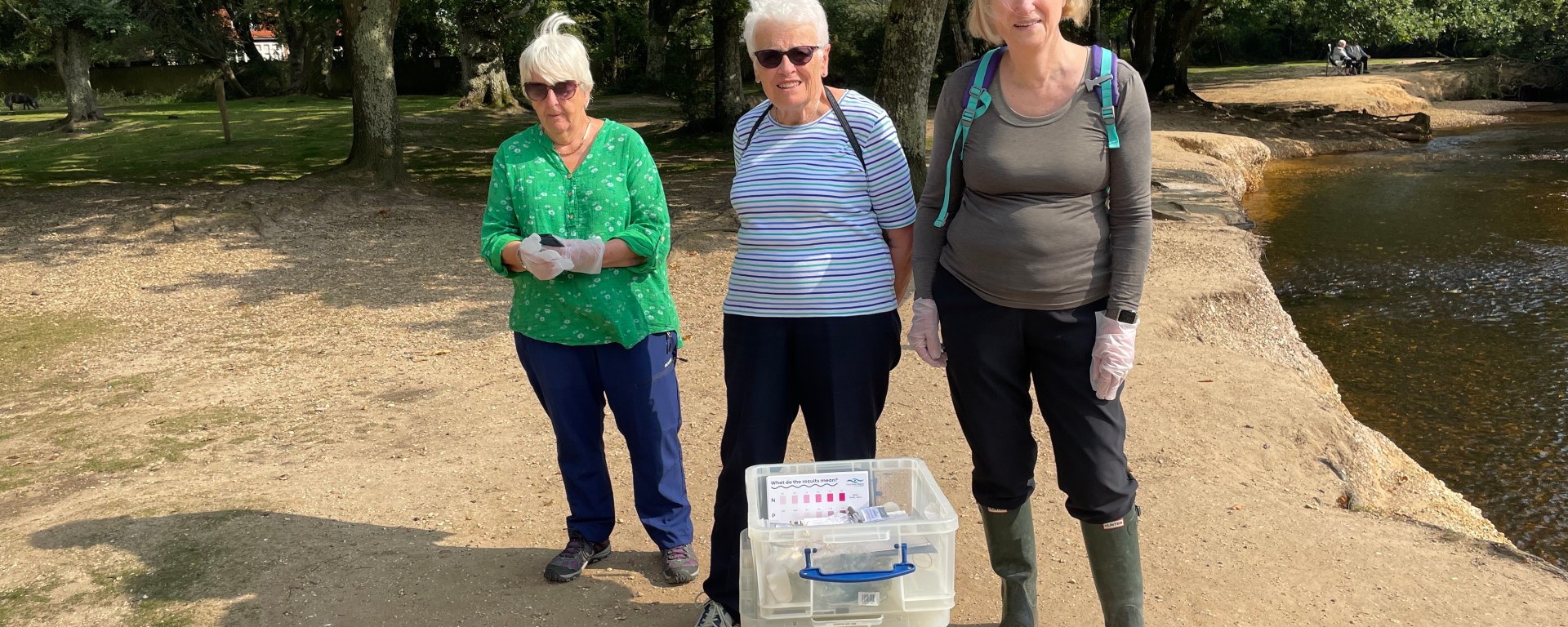
Today, Brockenhurst WI members took part in the Great UK WaterBlitz event. This campaign calls on everyone to go out and test the quality of their local freshwater including rivers, streams and lakes.
The Great UK WaterBlitz helps to build a national picture of water quality across the UK. It is part of an ongoing FreshWater Watch citizen science monitoring programme. Our rivers and freshwater habitats are at crisis point and we need urgent action.
FreshWater Watch is the largest citizen science water quality testing programme in the UK. FreshWater Watch trains communities to use the simple water monitoring toolkit to detect nutrient pollution. It is not always possible to determine water quality at first glance. The FreshWater Watch toolkit helps to uncover the secrets hidden underneath the surface and makes the invisible, visible.
Nitrates and phosphates occur naturally in the environment and are essential for plant growth. Healthy freshwater ecosystems usually have small amounts of these nutrients which help to sustain aquatic plant life. However, human activity on land can cause unnaturally high levels of nutrients to enter them.
Nitrates and phosphates are commonly present in domestic and industrial waste and sewage, as well as in the fertilisers that wash off farmland.
High levels of nutrients trigger a process called eutrophication, in which excessive plant and algal growth leads to high levels of bacteria, which in turn decrease oxygen levels in the water, killing plants and animals.
As this was the first time that we had taken part in water testing, we watched the instructional video in advance and gathered the equipment we needed.
Our first testing site was the Lymington Rives at Balmer Lawn (AKA Brock beach) which is a popular site for visitors. Our visual observations of the river were that the water looked clear, but there was a lack of insect life and no plants growing in the water on this stretch of the river. We followed the instructions, gathered some water and added the water to the testing tube and reactant. We waited the exact time and were pleasantly surprised that the levels of nitrates and phosphates were low.
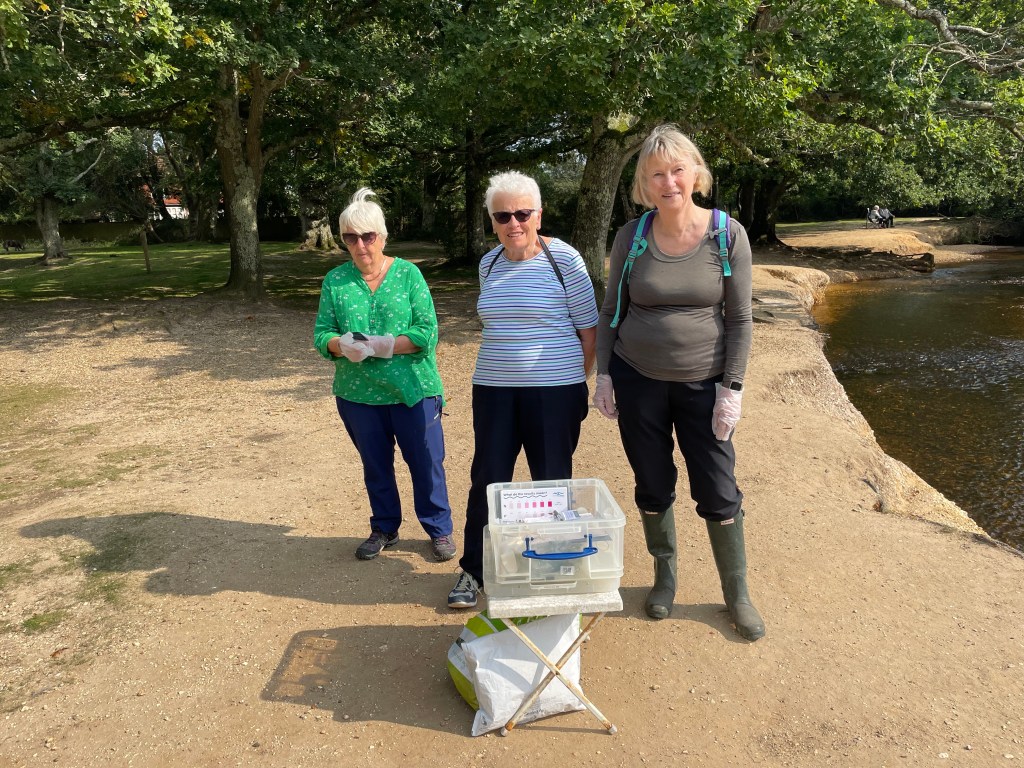
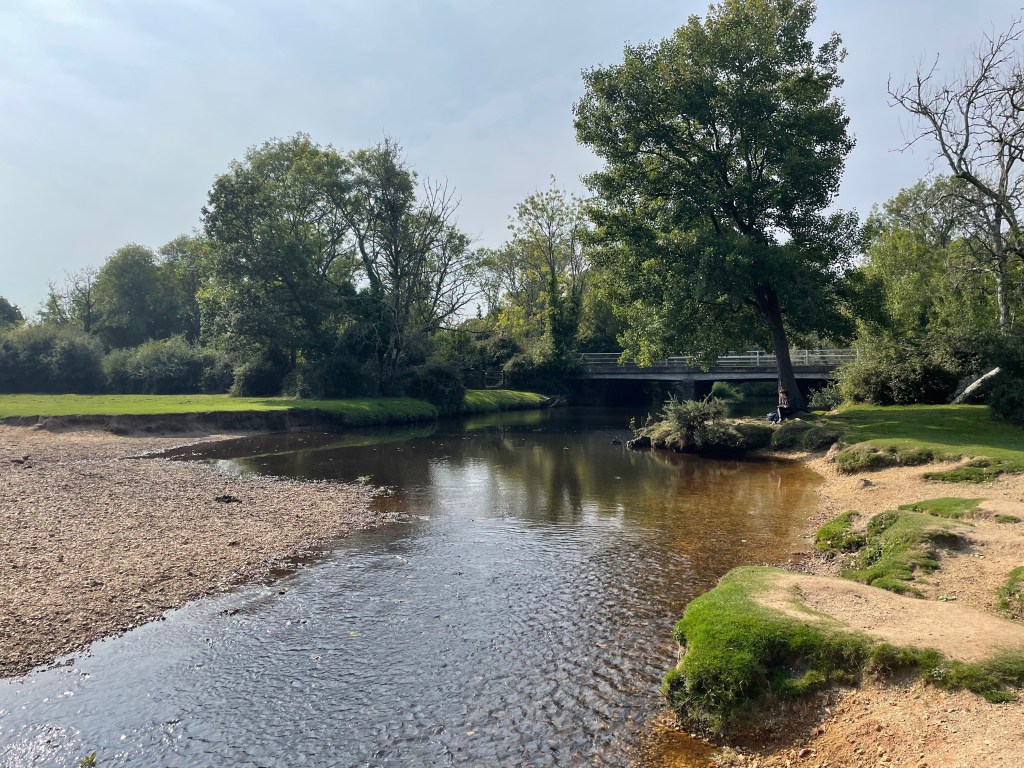
Our second testing site was close to Ivy Wood car park, again on the Lymington River, but this is downstream from the Water Treatment Plant. Our visual observations of the river were that the water looked less clear, but there was lots of Water Boatmen and some ripples indicating that fish could be in the water. We were again pleasantly surprised that the levels of nitrates and phosphates were low.
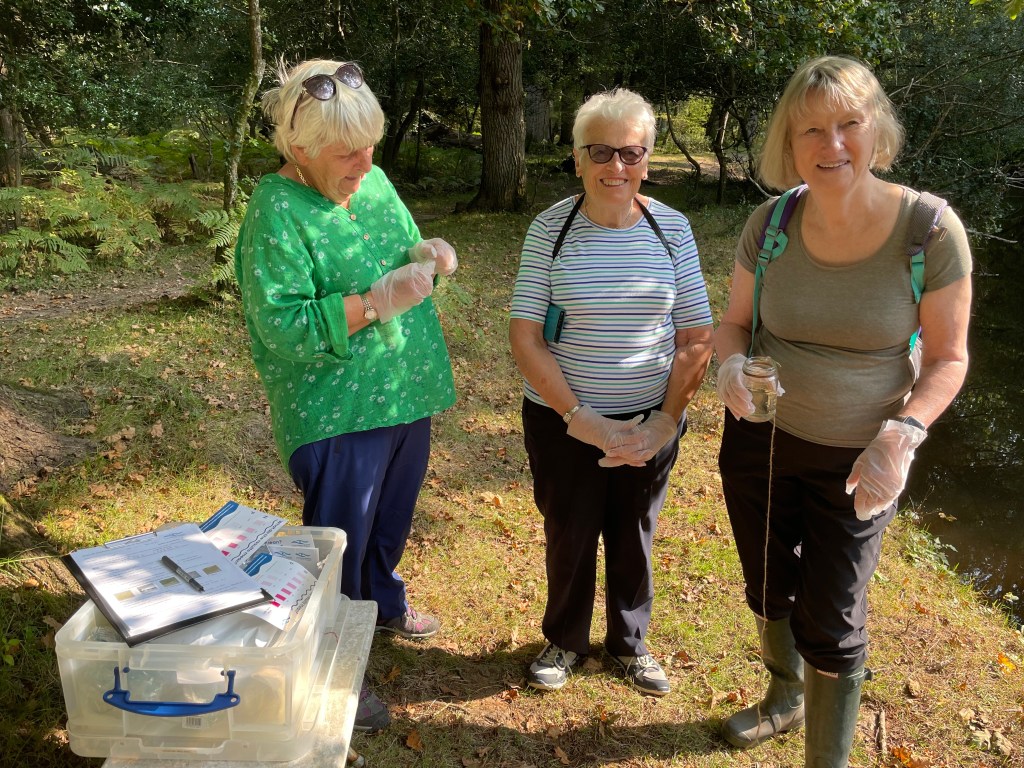
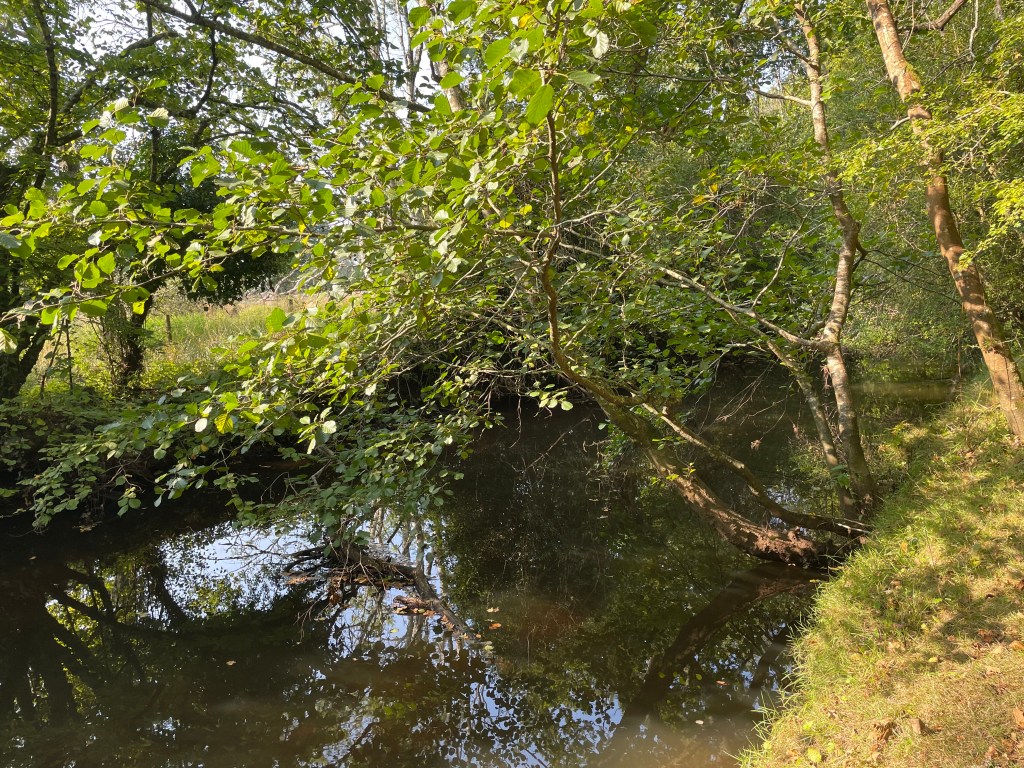
Our third testing site was at the Watersplash at the bottom of Brookley Road. Our visual observations showed plants growing in the water, but it didn’t look quite as clear. Again, we were pleasantly surprised that the levels of nitrates and phosphates were low.

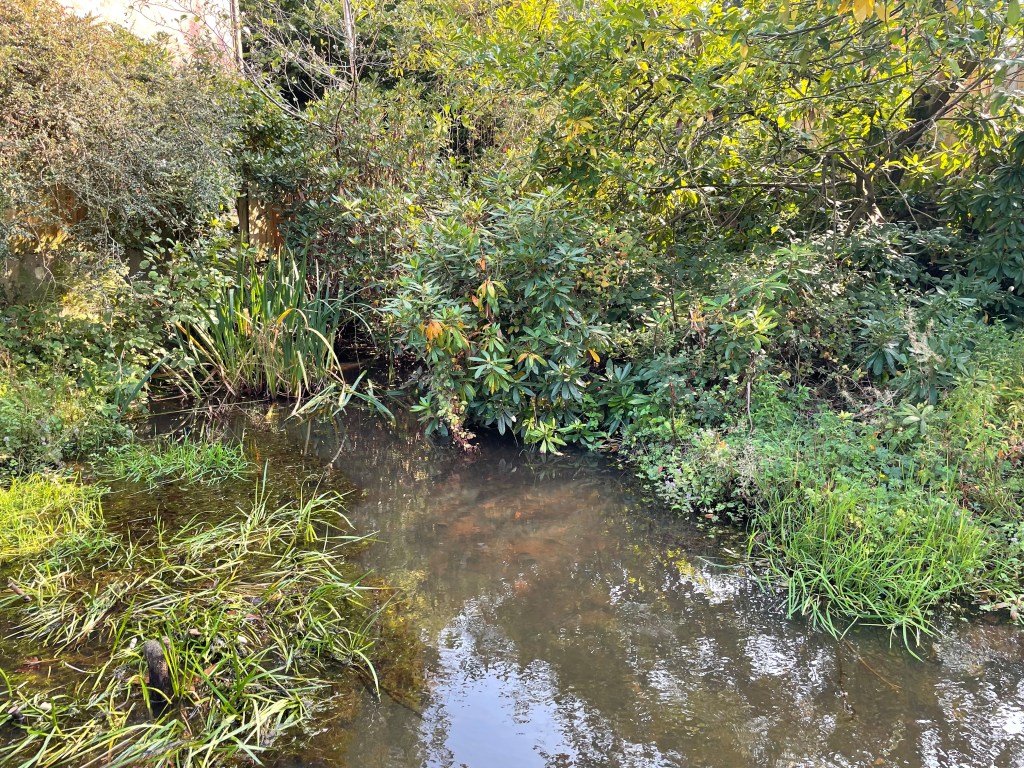
Our forth testing site was by the watersplash at Waters Green. Our visual observations showed some scum on the water. Again, we were pleasantly surprised that the levels of nitrates and phosphates were low.
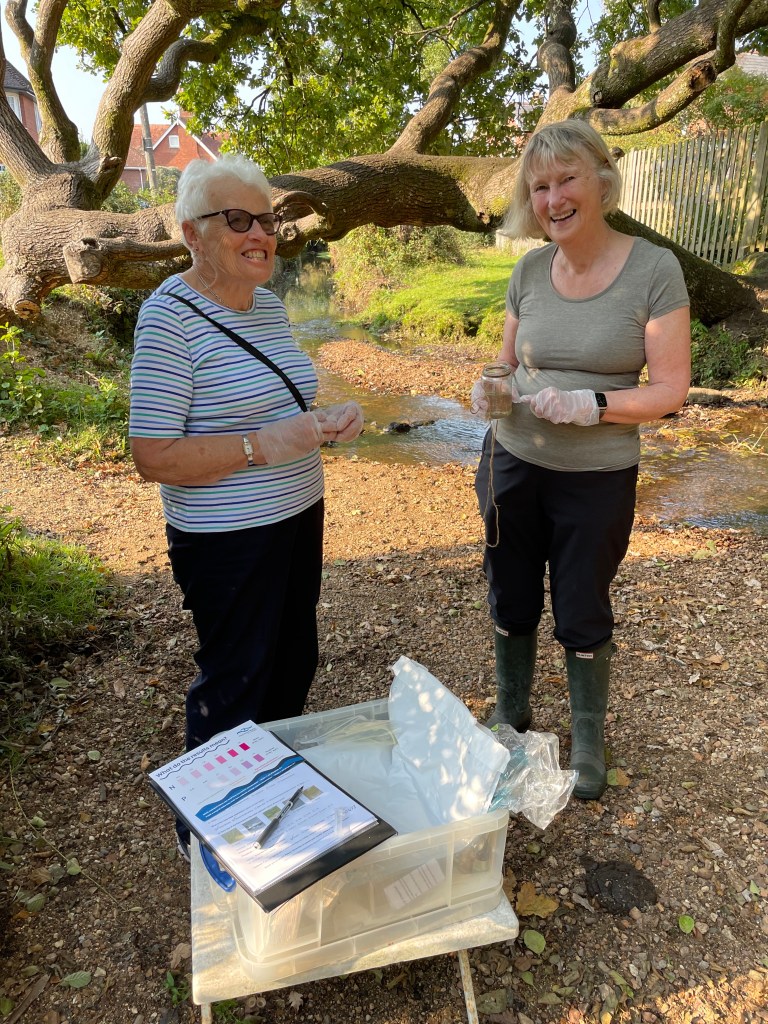
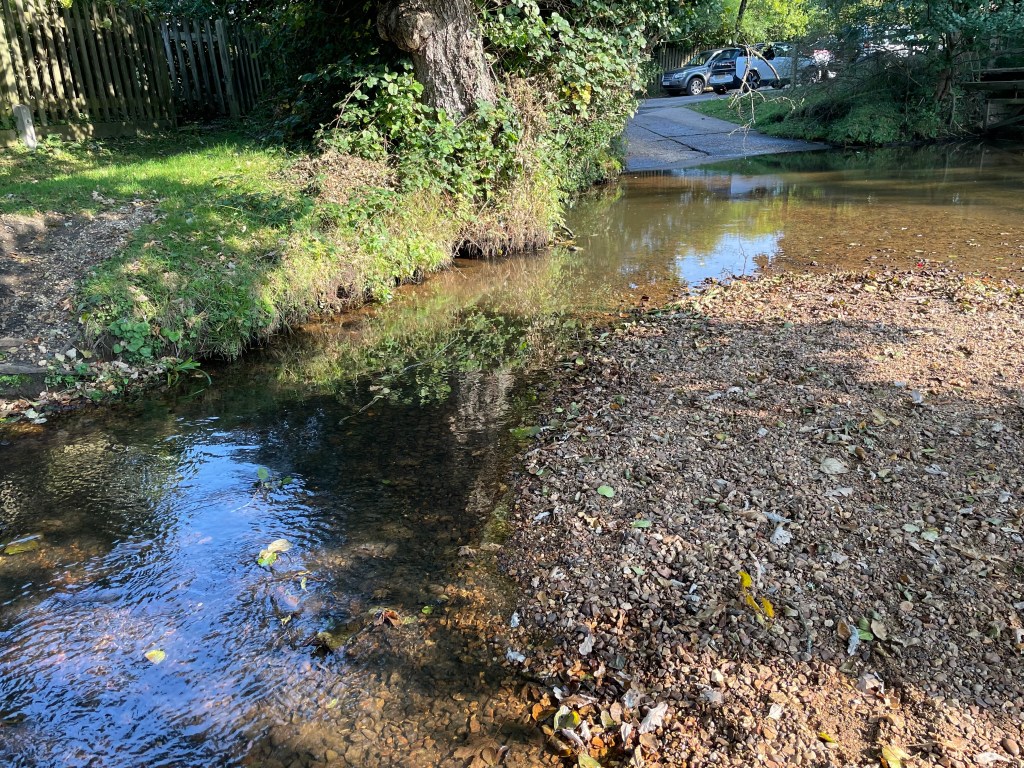
Our fifth testing site was Ober Water at Puttles Bridge. Our visual observations showed no insect life or plant life within the water, but ferns, trees and grass were growing on the bank and the water was clear. Again, we were pleasantly surprised that the levels of nitrates and phosphates were low.
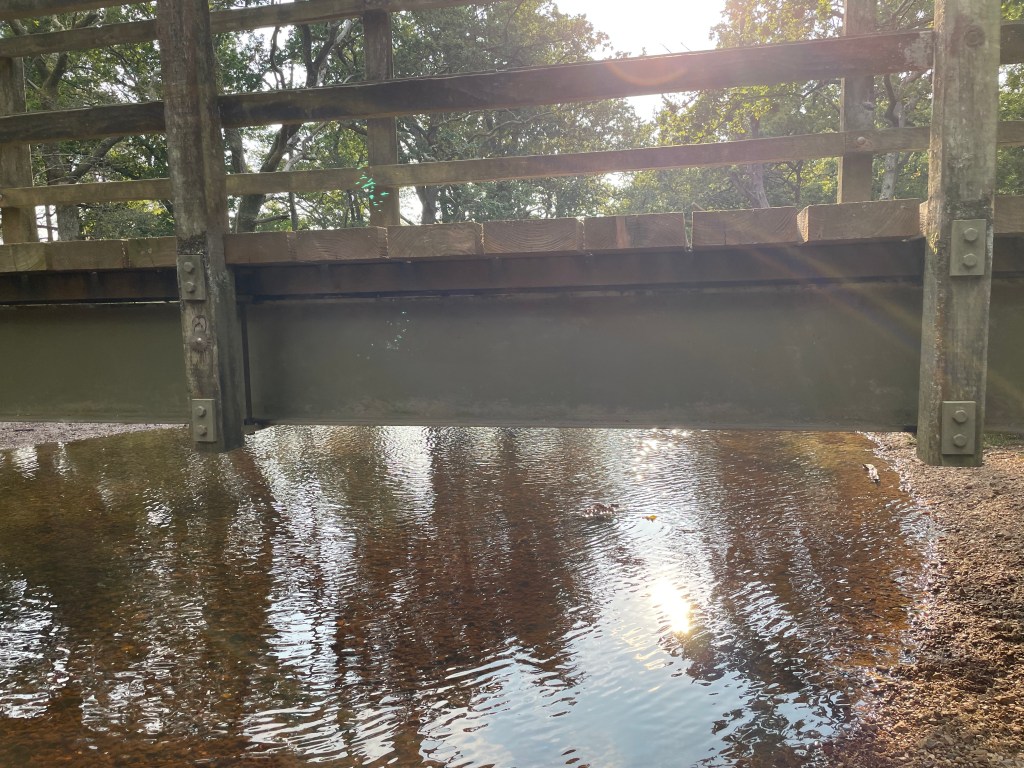
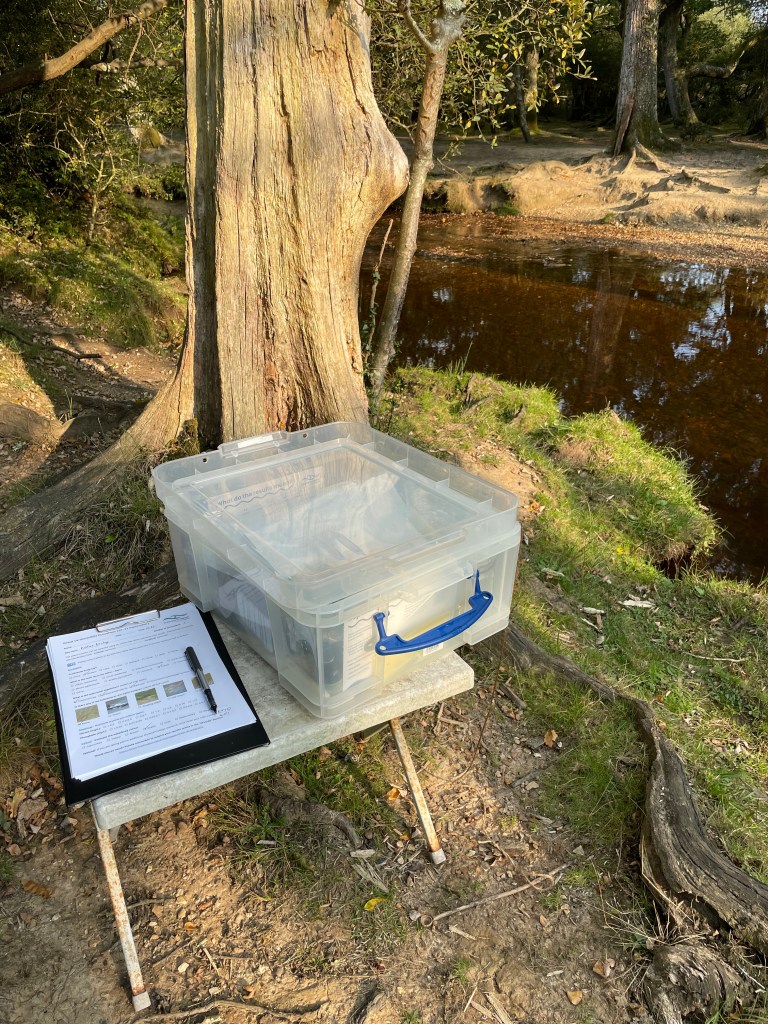
Our sixth testing site was a Whitemoor Pond. Our visual observations showed that the water wasn’t clear (it is an area where there are often animals in the water, especially during hot weather) but there were plants in and around the water. Again, we were pleasantly surprised that the levels of nitrates and phosphates were low. This site surveyed as a test to make sure we were carrying out the tests correctly as we wondered if the fact that this site was frequently used by animals would affect the nitrate and phosphate levels, but not so!
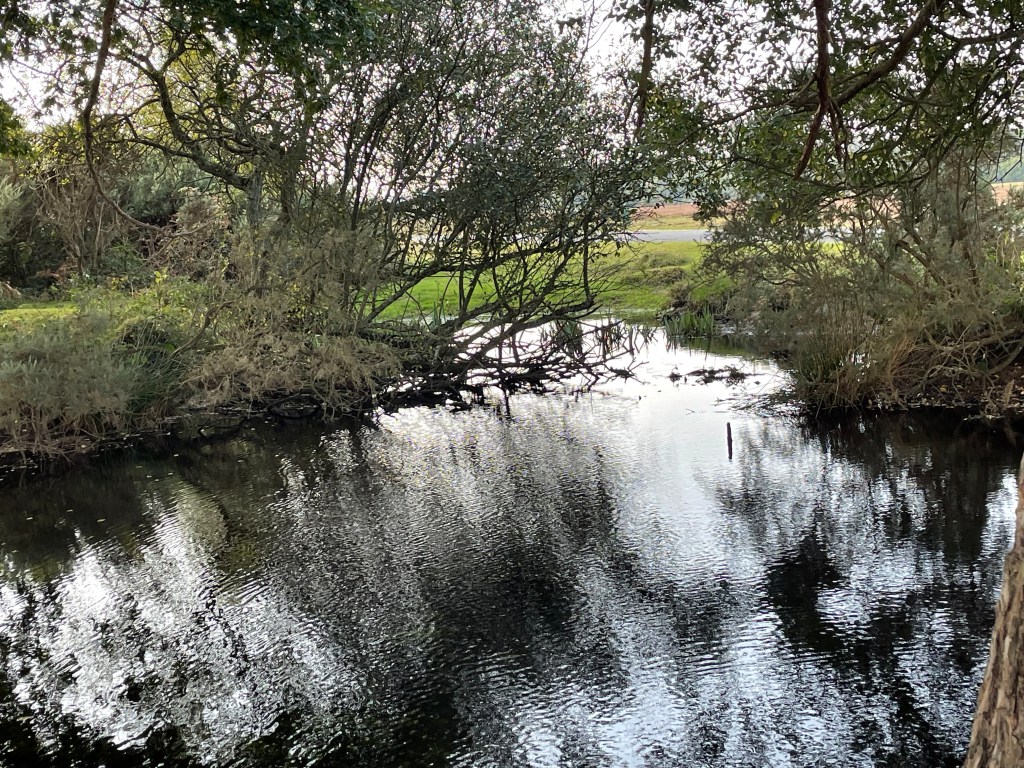
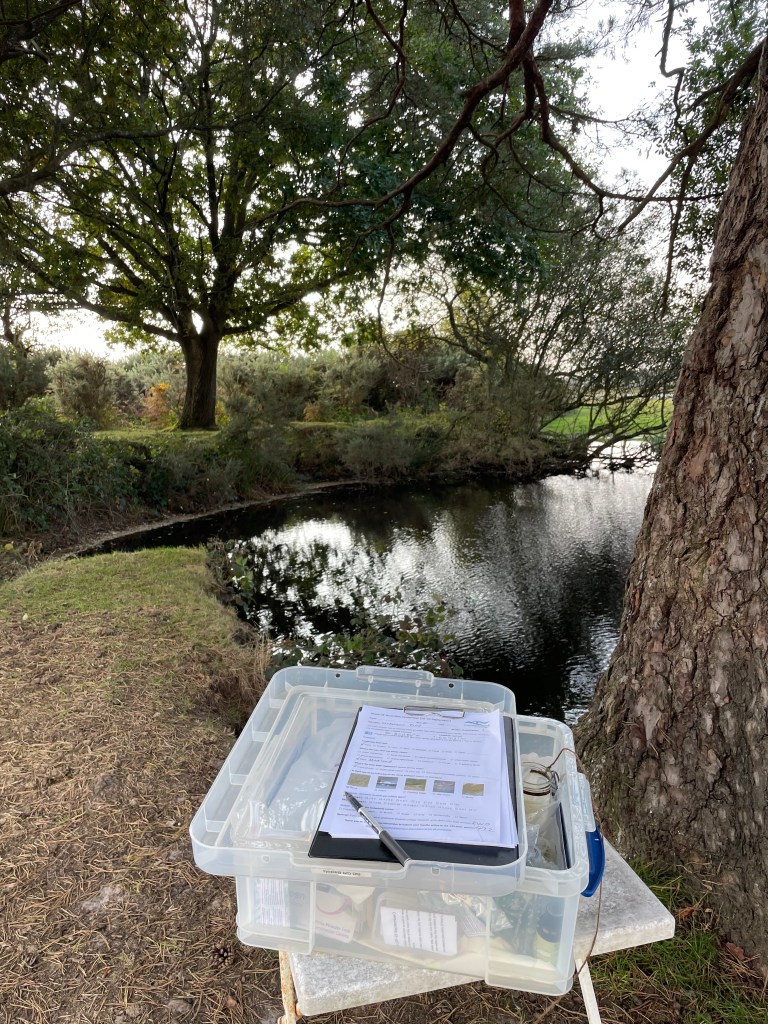
As we have until 23rd September to carry out the testing, we will do more testing, especially as we currently have flood warnings which may mean that there is more water overflow in the rivers.
We hope that we are carrying out the testing correctly and that our results are indeed showing that are waterways are in good ecological condition in the New Forest.
We will put further updates on this subject!
 Brockenhurst Women's Institute
One thought on “The WI Week of River Action 2024 -Day 5”