
Community Awareness Walk
On day four of our week of river action, members of Brockenhurst WI and representatives from Bramshaw WI and Hampshire WI got together with local groups and organisations represented by Greener Brockenhurst, Friends of Brockenhurst, Brockenhurst Flood Action Group , EcoSway, the New Forest National Park Authority, New Forest Dog Owners Group, Brockenhurst Parish Council and Beaulieu Estate. We were also joined by some well behaved dogs.
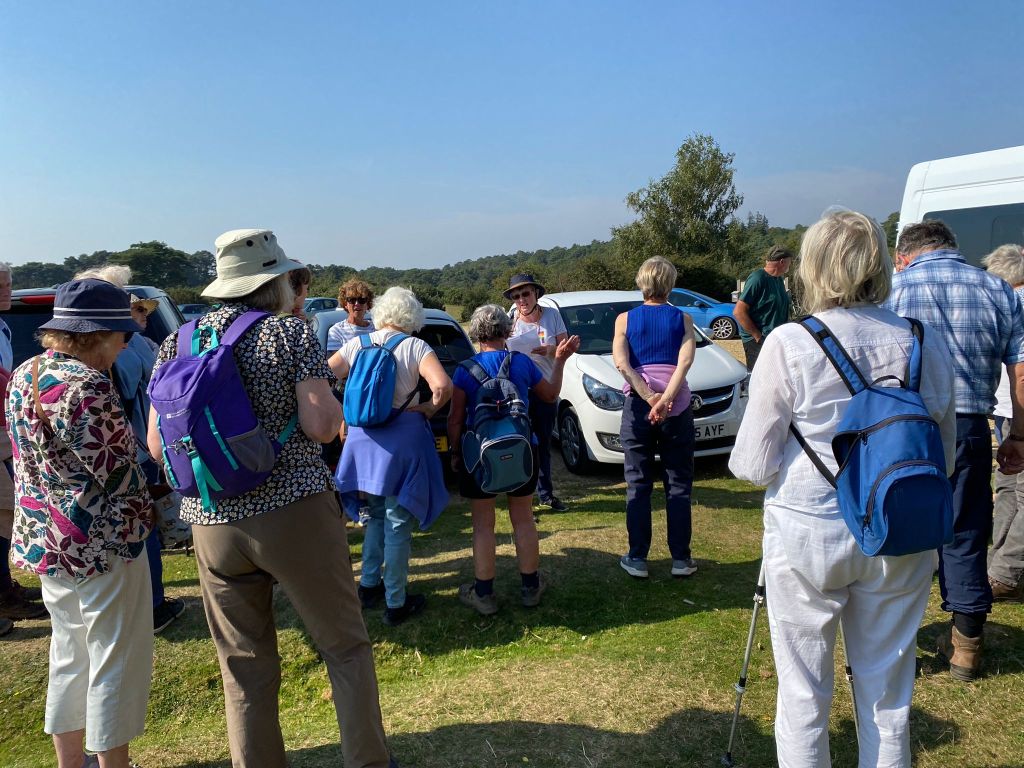
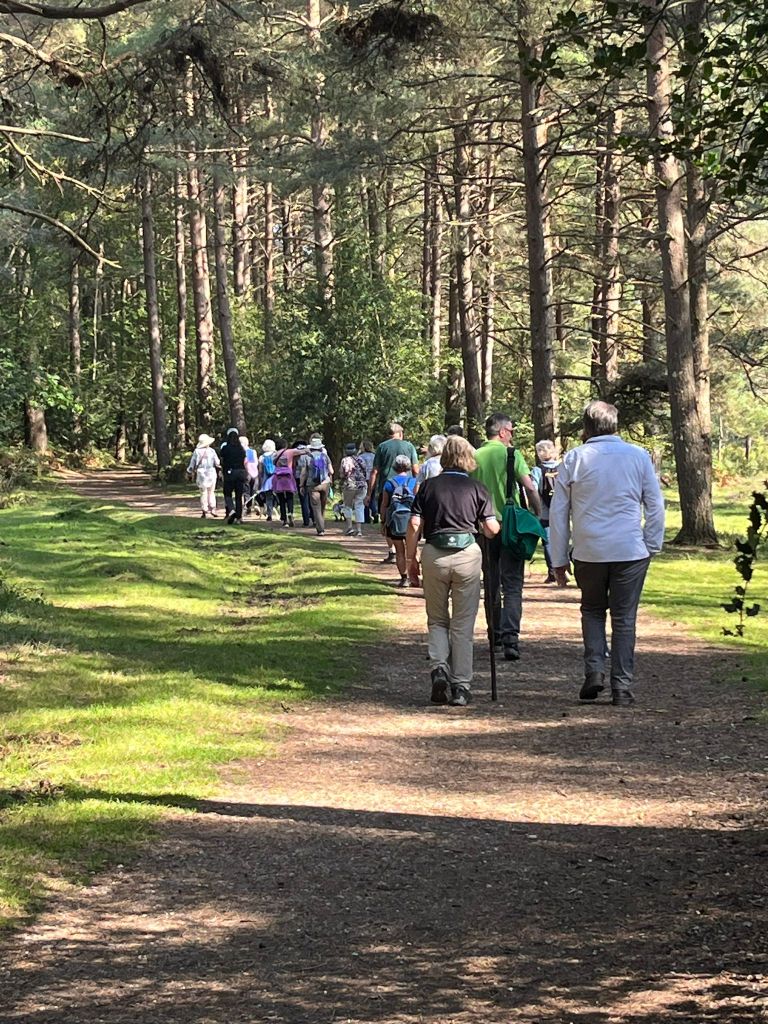
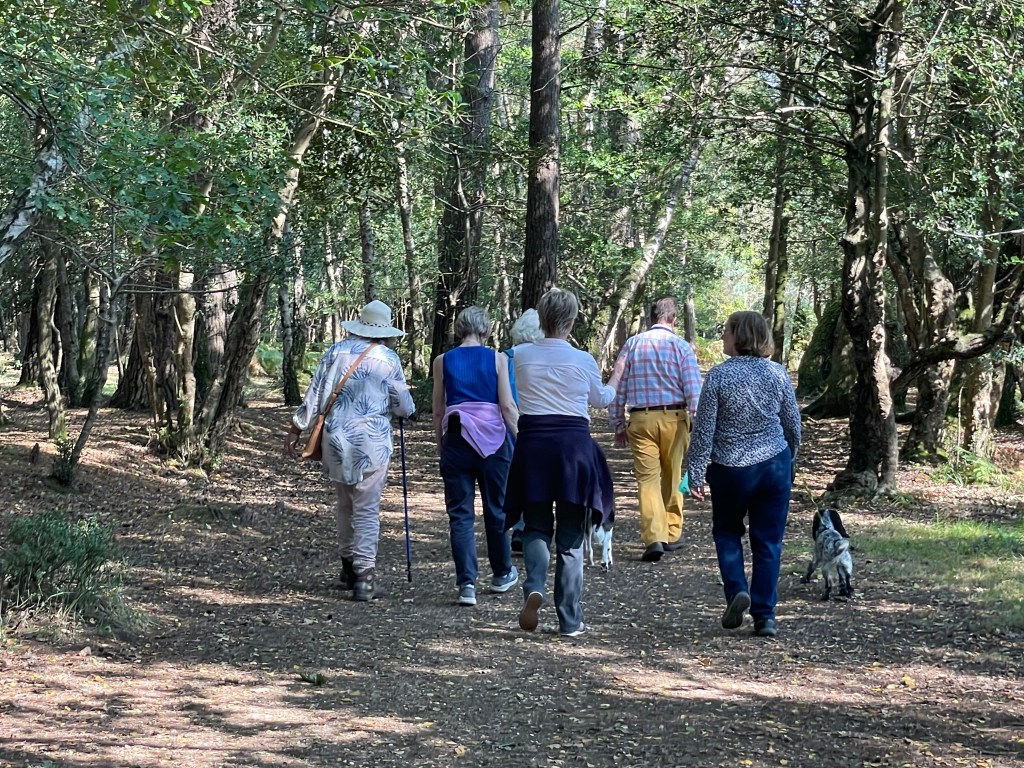
We set off from Whitefield Moor car park for an Awareness Walk as part of The WI Week of River Action.
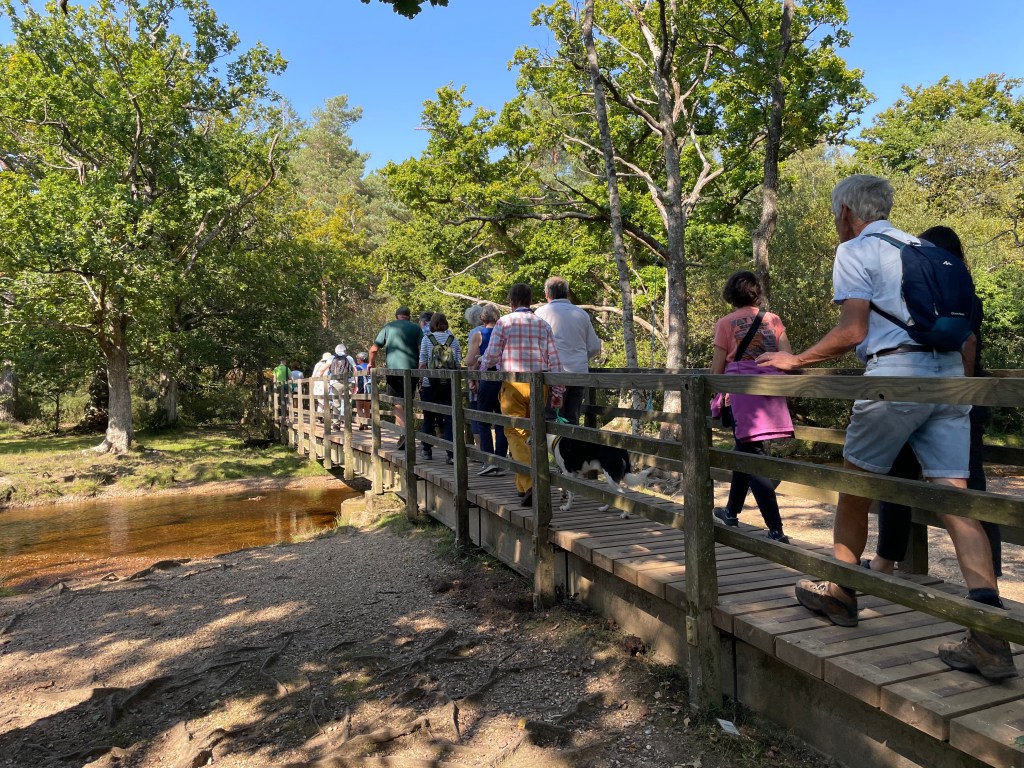
It was a beautiful sunny day with a cooling breeze, as we headed toward Puttles Bridge car park via the bridge.
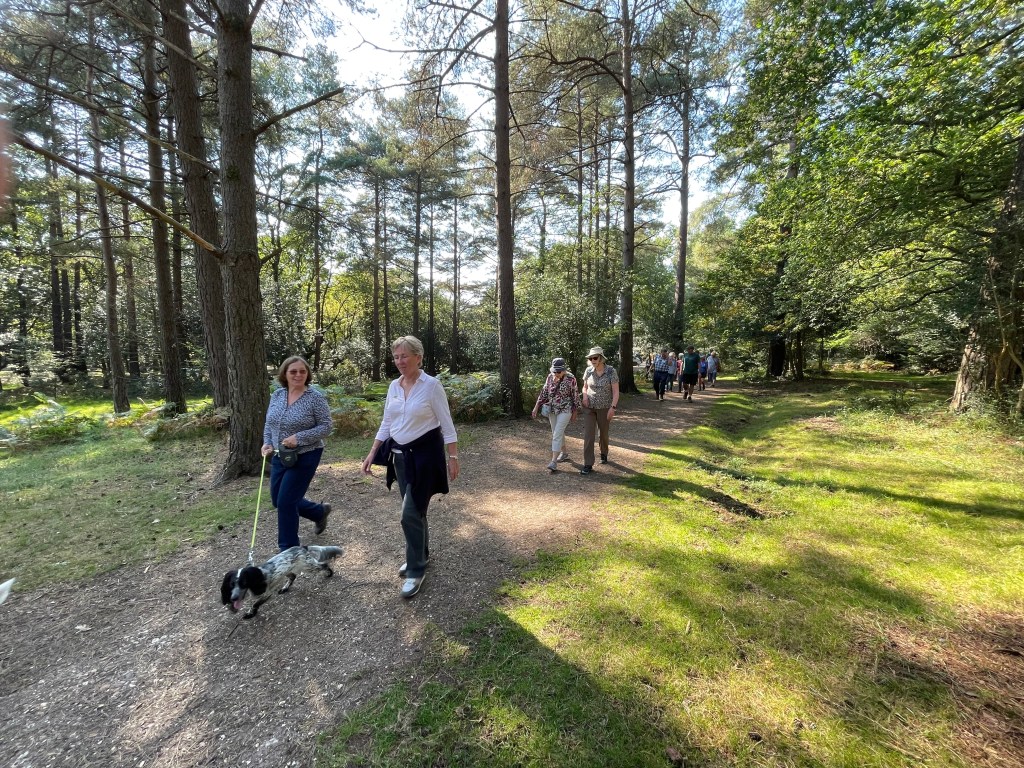
We then followed the path to through the woods to the next bridge.
Here we paused for talks from the local groups and organisations to get different perspectives of what having clean rivers means and what we can all do to help the situation.
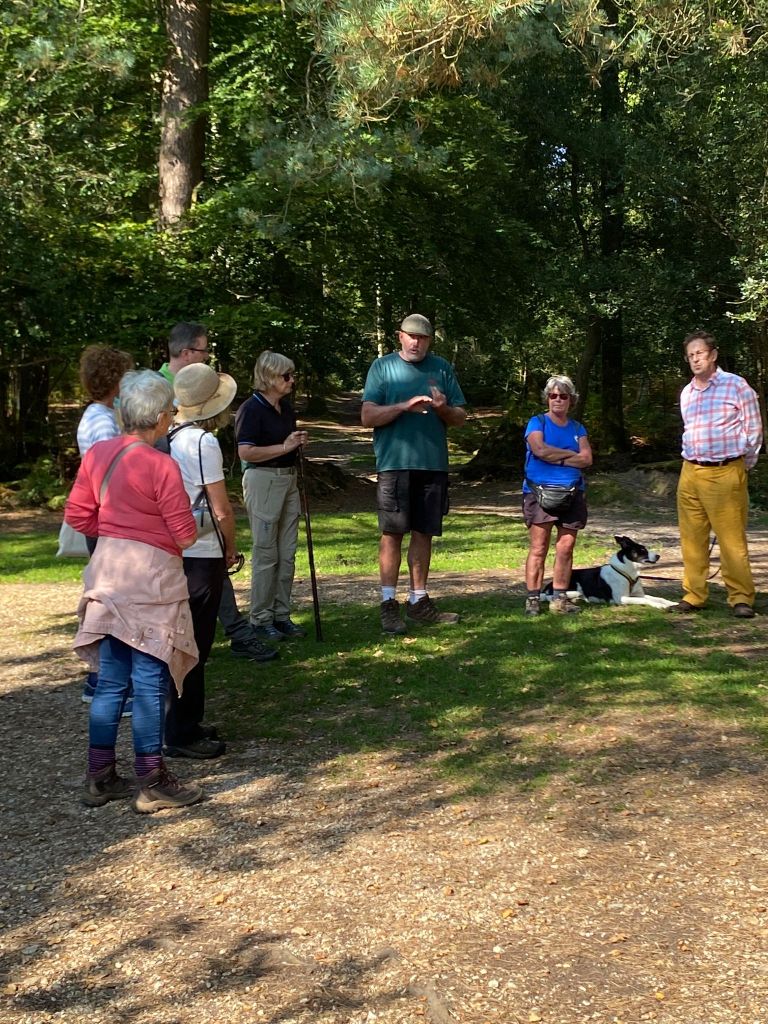
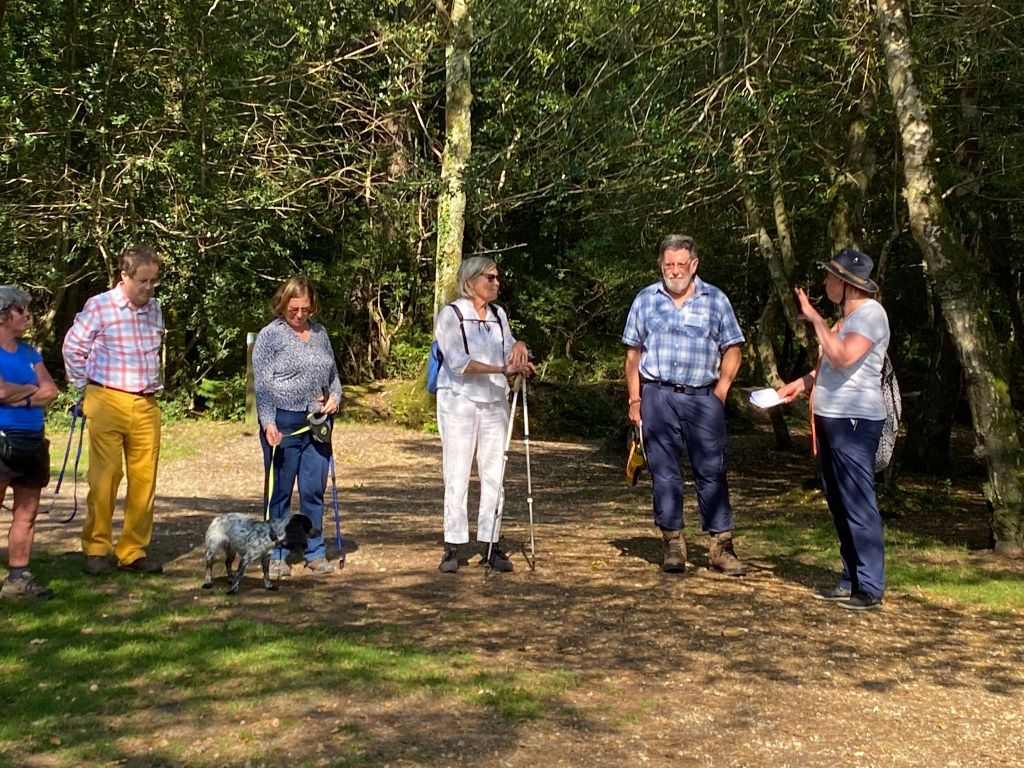
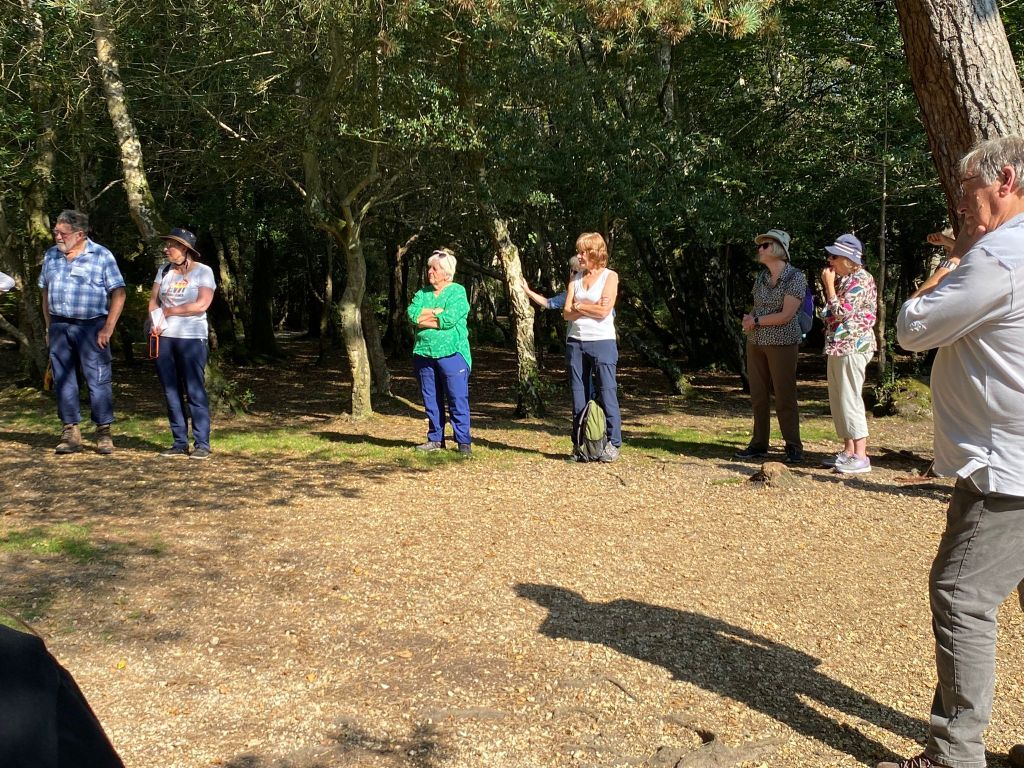
Julie from Brockenhurst WI told of how her passion for campaigning about Clean Rivers was piqued by reading that in 2022 the Brockenhurst sewer storm overflow spilled 58 times for a total of 482.95 hours, discharging into the Lymington River. This equated to around 20 Days of spillage. However, in 2023, this sewer storm overflow spilled 130 times for a total of 2,051.67 hours, discharging into the Lymington River. This equates to around 85 Days of spillage! (SOURCE: https://theriverstrust.org/sewage-map).
Peter Hebard from Brockenhurst and New Forest Flood Action Group talked about the impacts of Climate Change. He told us that Climate Change is getting worse every year. He gave us the example that in 2016, it was typical to get 25mm of rain in 24 hrs. However, in 2024 40mm is more typical, but within 12 hrs! This means 3.5 million cu m of water is landing on the Lymington River in a catchment of around 90 sq km. Within 12 hrs the peak of that has pass through the village and to the Water Treatment Works. Peter pointed out that ideally there is need to prevent storm water overloading the works. Peter told us that properties having soakaways can play a part.
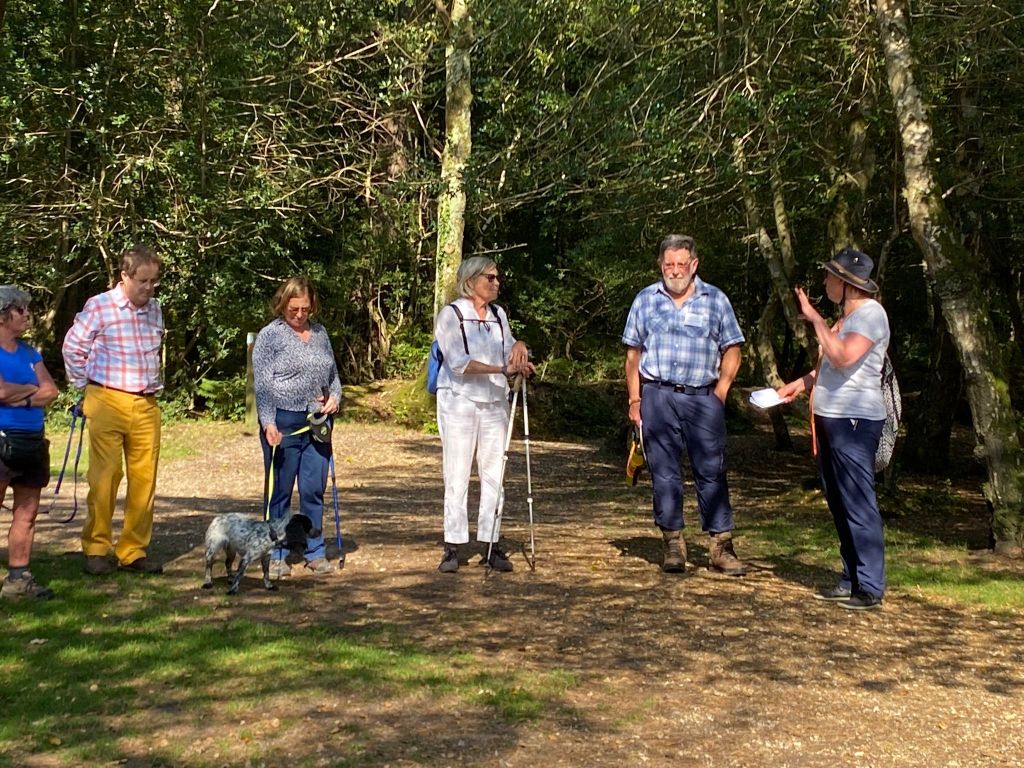
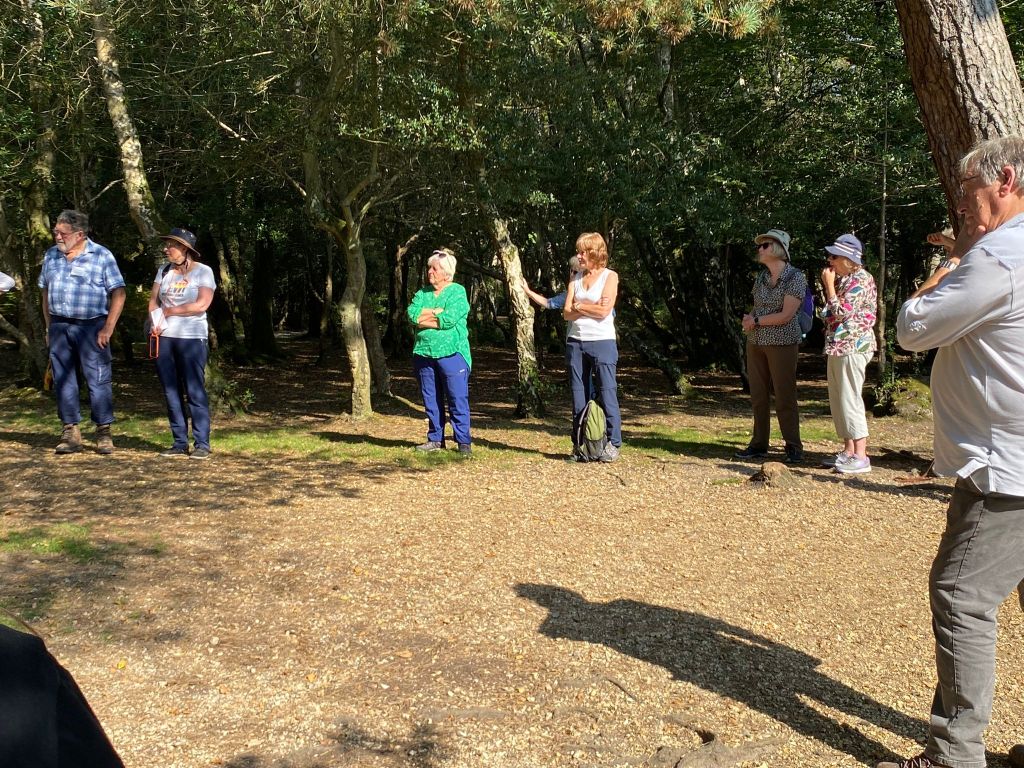
Rachel Smith, long term Brockenhurst resident and President of Friends of Brockenhurst, gave us the perspective that our water courses are drinking sources for New Forest animals and wildlife. So we need to think about what is going in them.
David Bennett, Co-Chairman of New Forest Dog Owners Group talked about how last year they were alerted by Russ Wynn, from Wild New Forest (one of our speakers last year) that spot-on chemicals from flea and tick treatments were found in still ponds in the New Forest. As well as killing ticks and fleas, they also kill waterborne insects and dragonflies! New Forest Dog Owners Club have campaigned this year to inform vets and dogs owners about this problem and offering solutions of using table forms of treatments. More information can be read at their website here.

Brockenhurst WI also has a post of the experience of one of our members of using natural tick and flea treatments, which can be read here.
Matt Phillips, Estate Warden from The Beaulieu Estate told us that the Beaulieu Estate is very aware of the problems our local Freshwater streams are subjected to and have been working with the Freshwater Habitats Trust for many years.They have been monitoring the state of the streams with a long term phosphate and nitrate record, and hopefully they will be repeating again soon. They have worked with Tennant famers to actively improve their working practices. Several projects collecting rainwater have been completed. The Beaulieu Estate also installed eel races in the Hartford Stream. They have also undertaken the Big River Watch at various freshwater locations along the catchment of the Beaulieu River. Matt pointed out that we are fortunate in this area not to have industrial pollution and intensive farming and we can all do out bit by thinking about what we flush down our drains and spreading our knowledge with our family and friends. Matt can be contacted at matt.phillips@beaulieu.co.uk
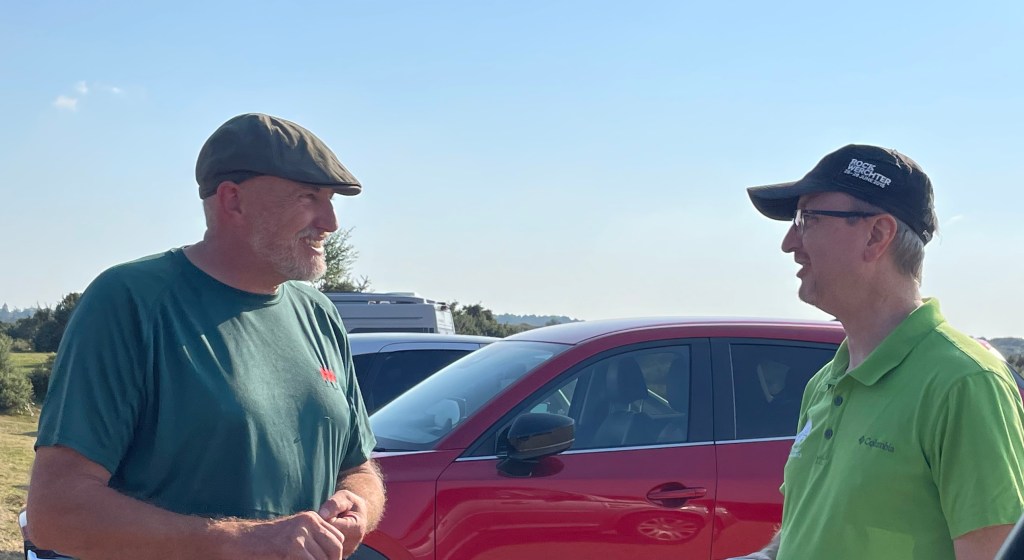
Ian Barker, Ecologist, from the New Forest National Park Authority talked about how the New Forest is a special place and we all need to work together with bespoke solutions for our unique area. He told us that he works with the New Forest Catchment Partnership to protect, improve and expand the unique freshwater landscape within the new Forest. Ian pointed out that those of us with septic tanks should get them inspected each year to make sure they are working correctly and not unknowingly causing pollution. Ian talked about how water butts, slow release water butts and rain gardens can play a part in stopping the peak flow of rain water. Ian told us that the Environment Agency have funded projects in the New Forest. He also said we can look at the catchment water data which can be found here. Ian talked about the “New Forest effect”, whereby if the right conditions and the proximity of a functioning ecosystem are provided, then natural expansion and colonisation will happen.
Milla Pearse, Chair of Greener Brockenhurst talked the importance of sustainable living and and how clean water and biodiversity is fundamental to life. Her research has show that as well as sewer storm overflow spillage, river pollution from agriculture is also a huge problem, where 60% of nitrates found in water come from artificial pesticides and fertilisers from agricultural run-offs. She pointed out that we are consumers of products grown by intensive farming and that we can all make informed choices of what we buy. She said that she is personally looking to buy more organic products rather than buying produce that has been intensively farmed and small changes can help.
This is especially pertinent as The Guardian recently published an article that stated that far higher pesticide residues have been allowed on food since Brexit. The article can be read here.
One of our Brockenhurst WI members also pointed out that growing your own fruit and vegetables without the use of pesticides is something to be considered. It was suggest that this could be something our village undertakes as a community project.
Sally and Owen from EcoSway rightly pointed out that water is a precious resource and we all have a responsibility to manage water. From their own horrific experience of flooding, they have worked on slowing the flow by harvesting, storing, releasing into appropriate drains and using in times of need (like on the garden) and this is key to helping to prevent domestic flooding. Sally pointed out that old sewer pipes take in ground water and this is significant even if you have a private drainage system. There is an assumption that all water, foul or storm will be coped with by the sewerage system. It’s very much taken for granted. Putting undesirable items down the toilet and creating fat burgs from the kitchen sink are 2 things we need to stop doing. As Peter said, check that rain water off your roof, goes into a soakaway and not into the main drain. The ultimate objective in terms of nature is to prevent overflows at the water treatment facilities. However providers should be held to account in upgrading their systems. None of us can control rainfall when it happens and climate change suggests that situation is likely to get worse. Having had flood water right up to the doors, they had to research solutions to the problems they encountered. They now have IBCs (Intermediate Bulk Containers) that store rain water from roofs so it can be stored and used in the summer and when it is needed (for example, for watering their vegetable garden). They are advocates of no-dig gardening and this supplies them with the majority of their fruit and vegetables.
There was a chance for questions:
‘Forever chemicals’ were discussed. These are PFAS (per-and poly fluoroalkyl substances) are know as ‘forever chemicals’ because of their persistence in the environment. In manufacturing, PFAS are favoured for their durability and useful properties such as non-stick, water repellence and anti-grease. PFAS are used in the manufacture of many domestic products, including:
- skin creams and cosmetics,
- car and floor polish,
- rinse aid for dishwashers,
- textile and fabric treatments,
- food packaging and microwave popcorn bags,
- baking equipment,
- frying pans,
- outdoor clothing and shoes.
PFAS’s also have many and widespread uses in industry, including in firefighting foam. The properties of these substances mean that they are very resistant to biodegradation. So this is something else we should give some thought to!
The Lymington River at Balmer Lawn (AKA Brock Beach) was also discussed and whether people bathing in this and other water courses causes pollution.
A question was asked as to whether there are designated bathing waters in the New Forest. It was reported that there are no designated bathing waters in the New Forest due to the impact this would have. But there is one in Fordingbridge . You can read about it here.
In summary of our talks, we can all do our bit. A common theme was collaborations – working together with various organisations and not against them. We hope that we can all continue to work together and we welcome suggestions of what can be done collaboratively.
We hope that the walk and talks gave ‘food for though’. Making small changes is something we can all do.
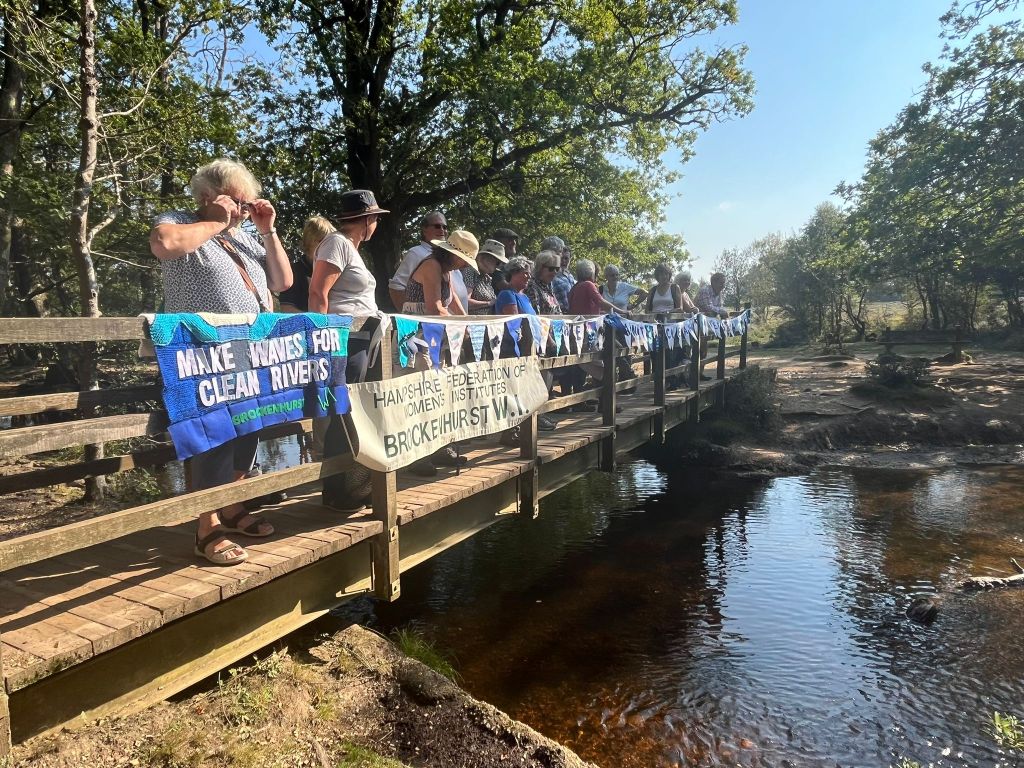
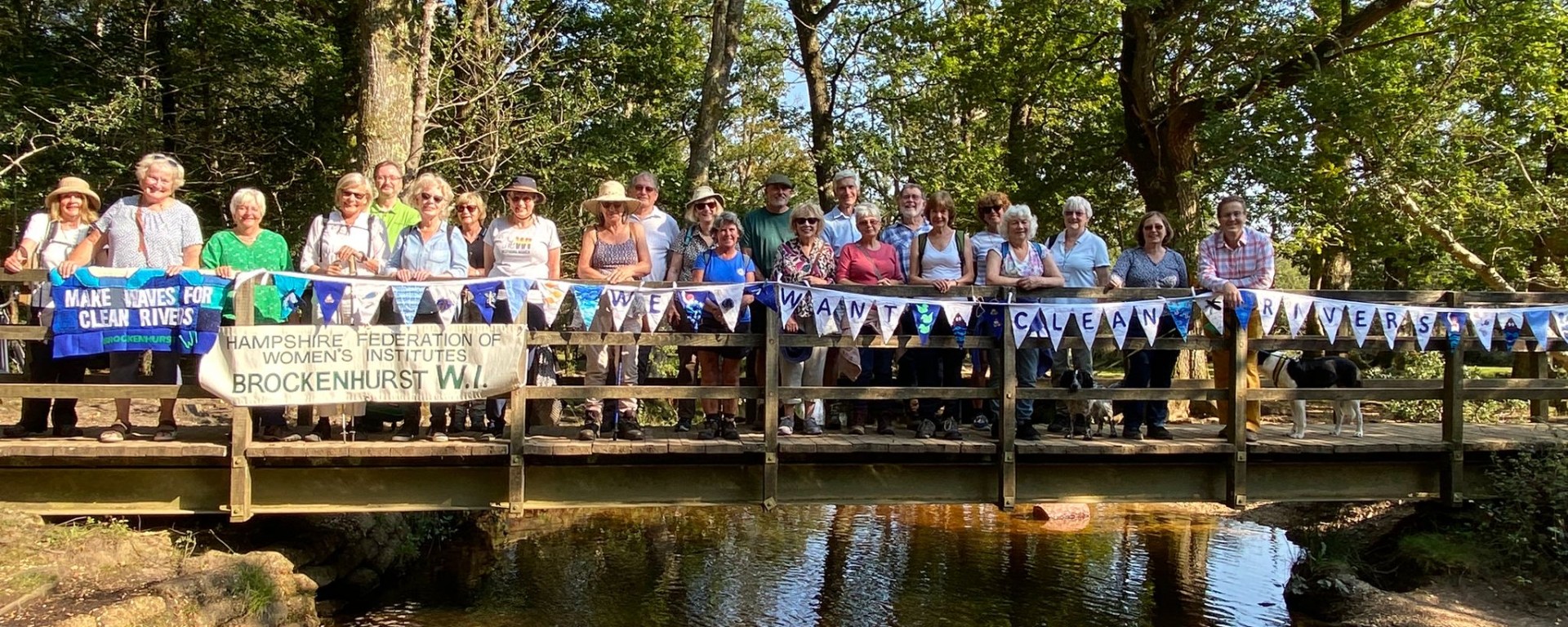
We stopped for photos on the bridge over the Ober Water where our banners and bunting were on display promoting our campaign.

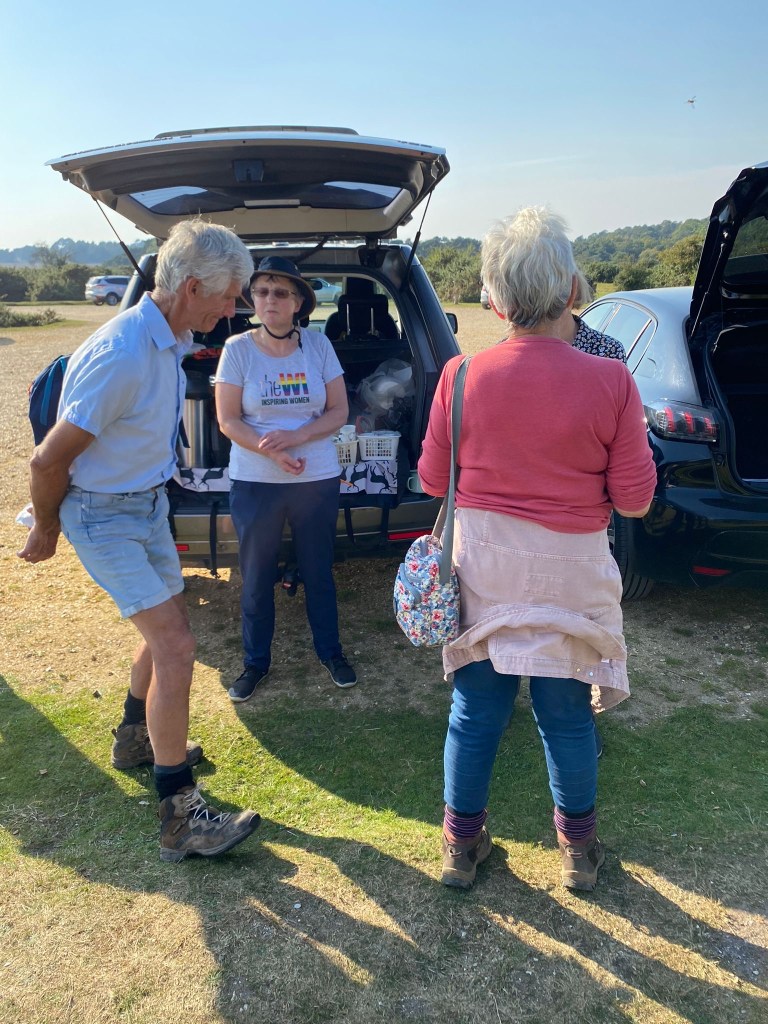
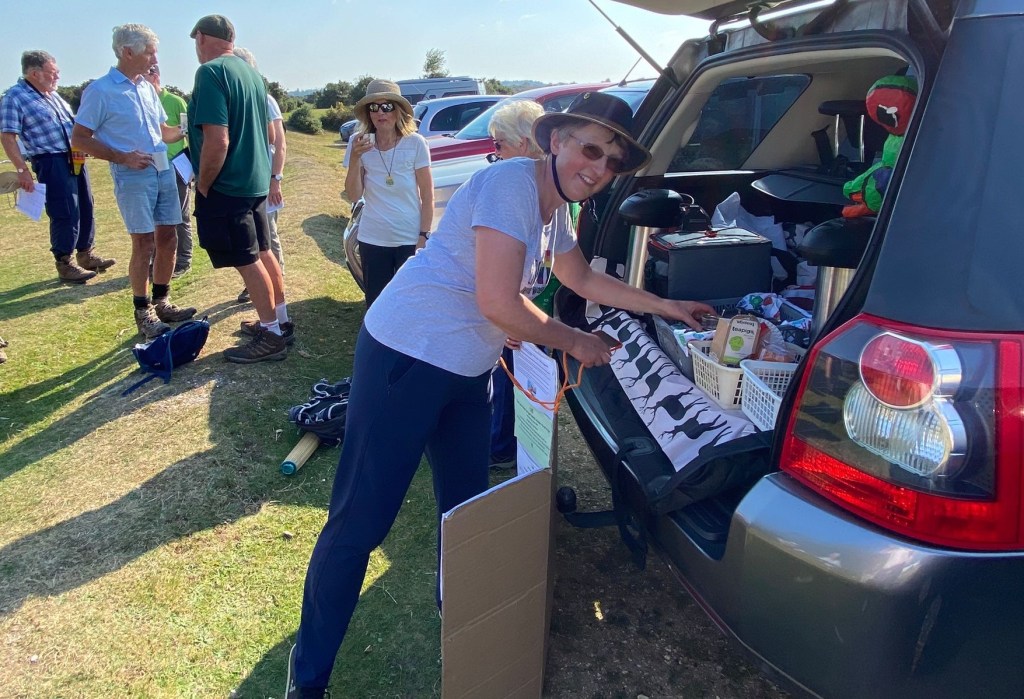
We then made our way back to the car park where our discussions continued over tea and cake.
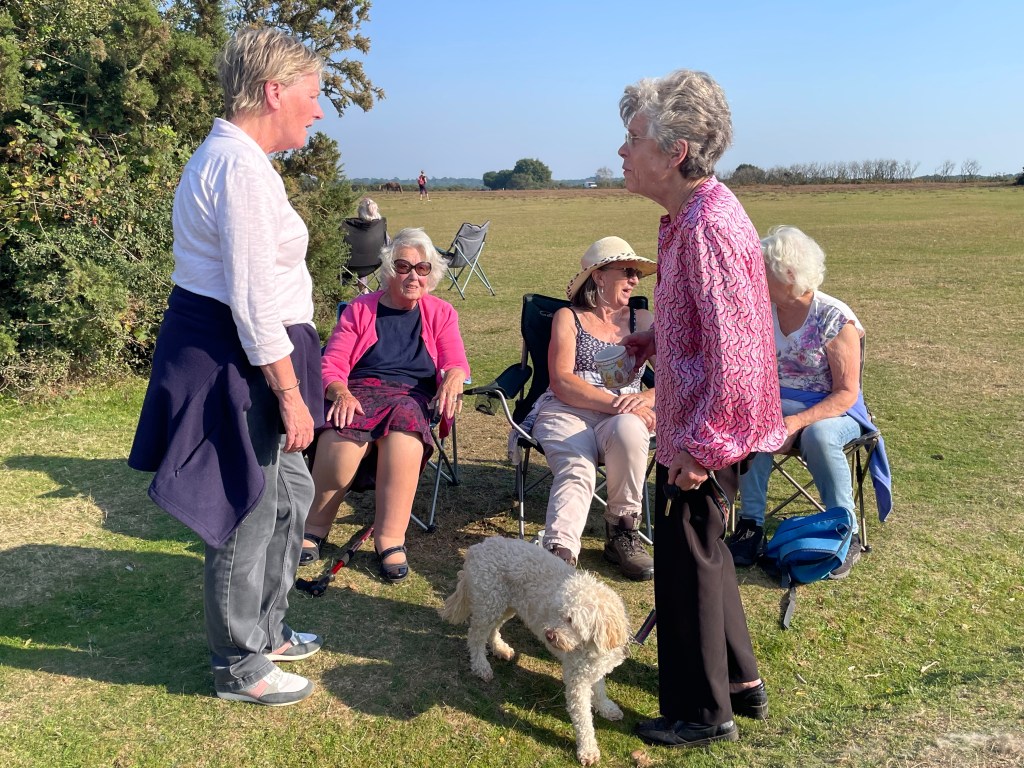
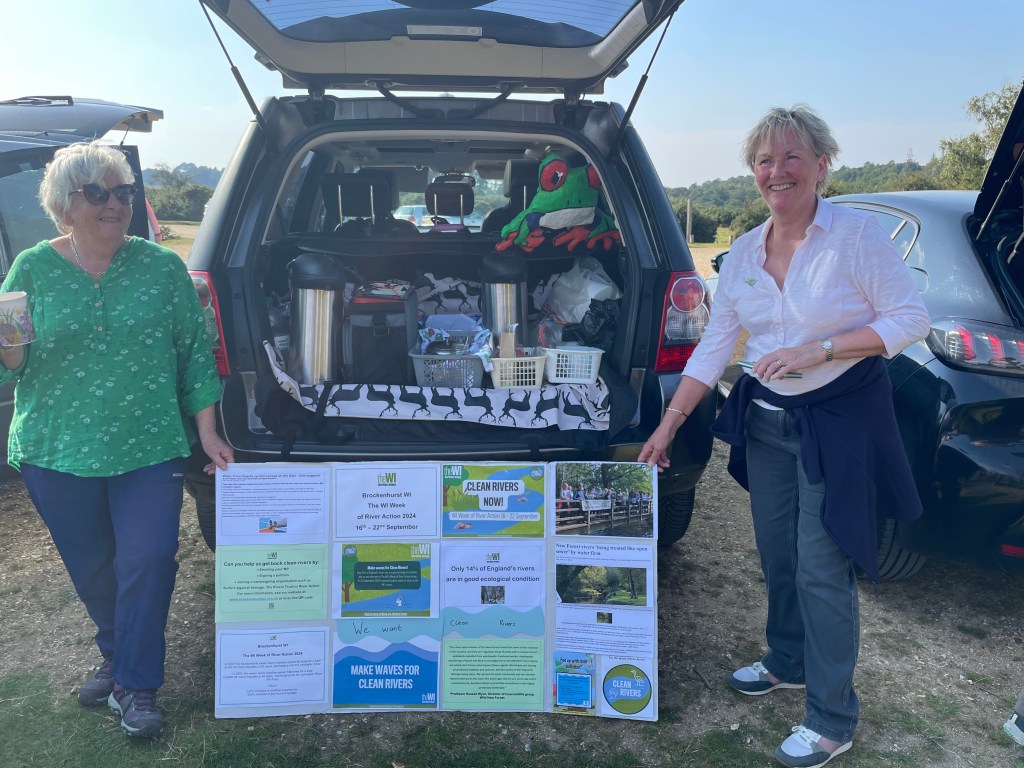
Grateful thanks go to all those who attended the walk, to all those who shared their knowledge and experience, the cake makers and the photographers.
 Brockenhurst Women's Institute