
Dog Tick and Flea Treatments and New Forest Waterbodies
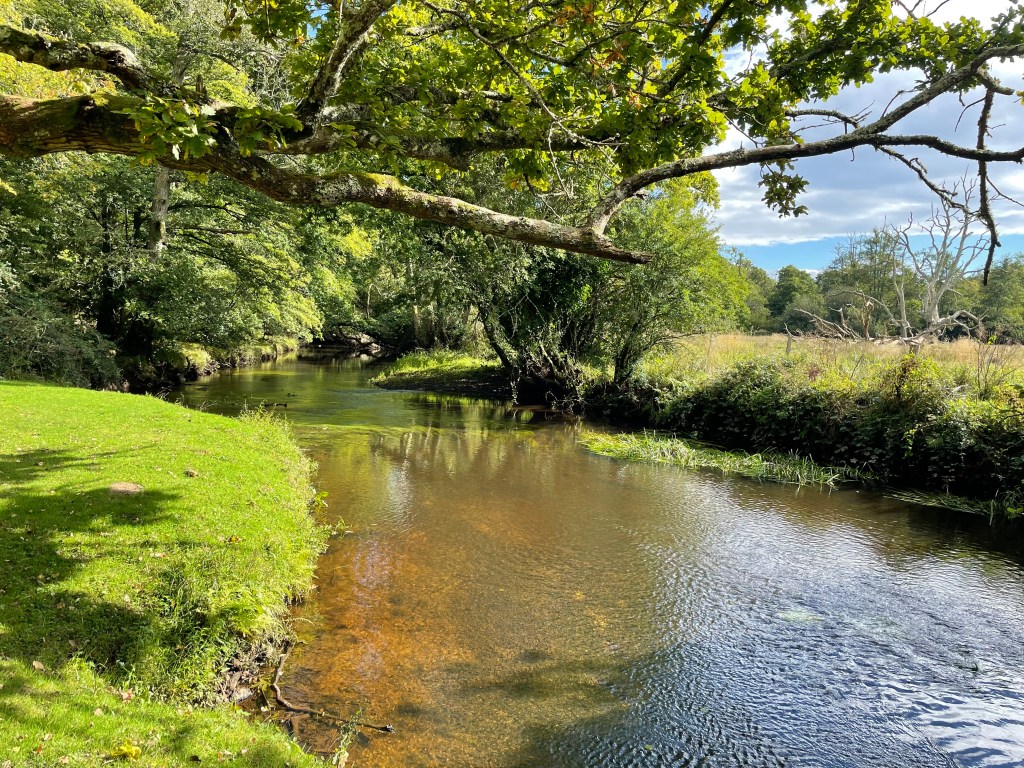
One of our aims this week is to bring attention to things that we can do to make a difference to our rivers. We are fortunate to live in the New Forest where there are more than 30 separate rivers and streams, and dozens of smaller headwater streams, which rise on the Forest and flow outward to the sea. These range from larger rivers and their tributaries, such as the Avon, Test, Lymington and Beaulieu to shorter streams and brooks.
The Rivers Trust, in their report “State of Our Rivers”, published earlier this year, it states that “…Chemicals can persist in freshwater habitats for decades”.
Our rivers are in a desperate state of affairs:
- No single stretch of river in England or Northern Ireland is in good overall health.
- Just 15% of English, 31% of Northern Irish and 50% of Irish river stretches reach good ecological health standards.
- Toxic chemicals that remain in ecosystems for decades pollute every stretch of English rivers.
So today we are looking at dog flea and tick treatments and how some can affect our water courses.
One of our WI members has written this piece about her experience:
“In 2023, I attended Brockenhurst WI’s Clean Rivers Awareness walk as part of the WI Week of River Action.
One of the speakers, Russ Wynn from Wild New Forest, talked about how some dog flea and tick treatments have an impact on the New Forest rivers and streams when dogs who have been treated with certain chemicals go in the water as they can cause potential harm to New Forest waterbodies and their aquatic fauna.
What is on a dog’s fur, can leach into the water. This can change the water quality for the worse, impacting on the plants and wildlife that live there.
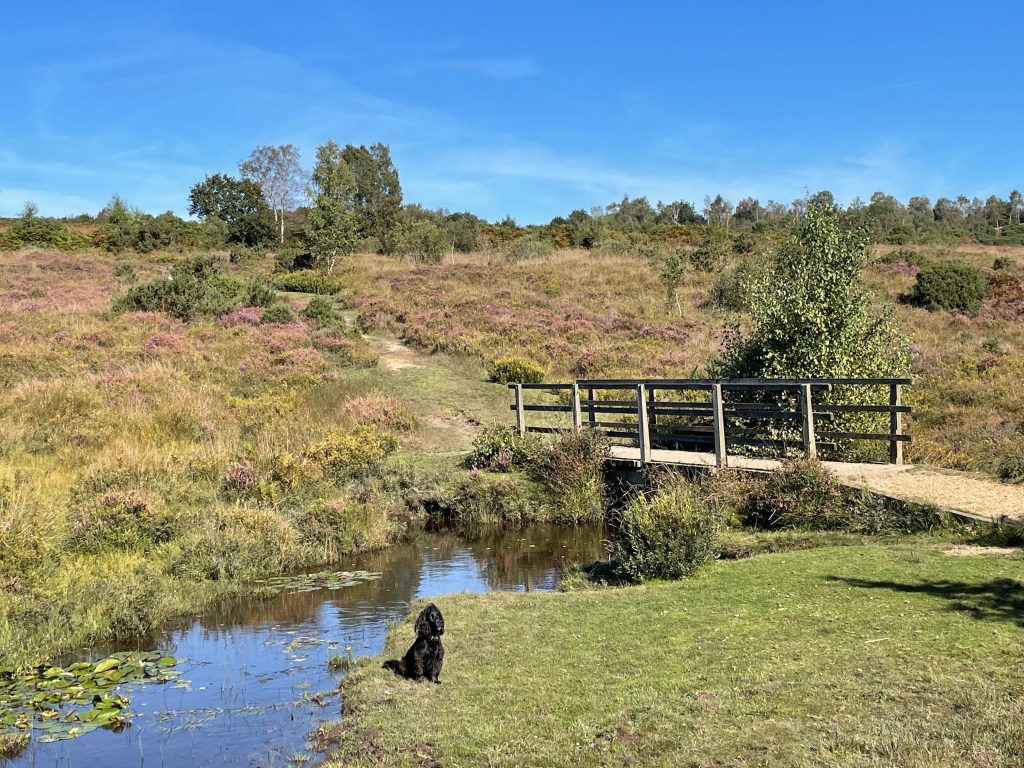
A ”study discovered that one of the commonest insecticides used in ‘spot-on’ flea treatments, a chemical called imidacloprid, was detected at four locations where dogs are known to regularly enter the water. At one of these sites, Dibden Bottom, the levels of imidacloprid were nearly double the internationally agreed toxicity threshold for aquatic invertebrates.”
This got me thinking as a dog owner who’s dog likes to go in the puddles, streams and rivers!
I decided to take my dog off the vet-prescribed tick and flea treatments so I am sharing my experience a year down the line.
My dog is now having a daily dose of a natural flea and tick treatment which is added into their food. My dog happily eats it!
Earlier in the year, my dog had a couple of ticks, but this was less than the previous year when they were on vet prescribed. Since then they have had no more ticks and no fleas this year.
I was so pleased to be made aware of this and it is something that I can do to help stop the New Forest waterbodies being unintentionally polluted by my actions and my dog.”
New Forest Dog Owners has this great blog about the subject which can be read here.
Please note: This article is not condoning dog flea and tick treatments, nor recommending that you leave your dog unprotected against fleas and ticks, it is just pointing out that there are other options which you can discuss with your vet.

 Brockenhurst Women's Institute
One thought on “The WI Week of River Action – Day 2”