
On Day 4 we looked at river and sea pollution. We also looked at ways that we can campaign to bring about change by signing petitions and writing to our MP’s.
In this post we are going to look at simple steps we can all take to make sure that we aren’t unwittingly causing pollution.
We need to think about what we are pouring down our sinks, drain and toilets.

Southern Water Website suggests the following:
- Clear your plates – scrape leftover food residues from plates, pans and utensils into the bin before washing up
- Contain the problem – put cooled fats into an old jam jar, butter tub or yogurt pot and then throw it away
- Bag it and bin it – use scented nappy sacks or dog poo bags (degradable if you can) to throw away any nappies, sanitary items or condoms
- Strain the pain – a simple sink or drain strainer can stop food and hair getting down the pipes.
They describe ‘The Unflushables’ (items such as wipes, nappies, period products, condoms and cotton buds) as the ‘scourge of the sewers as they create blockages, cause damage and damage the environment.
Wet wipes, period products, nappies, tooth-floss and cotton buds can all contain plastic. Any time you flush something down the loo, someone or something has to remove it in order for us to access clean drinking water. Or it ends up as a very toxic dinner for some poor sea creature. We’re literally flushing the health of our oceans down the toilet.
On the City to Sea website (an environmental organisation) on the topic of ‘What Can I Flush’ say:
“It’s bog standard. Only flush the three P’s – Poo, (Toilet) Paper and Pee.
Wet wipe labelling can be confusing and it’s not always clear how you should dispose of them. Most wet wipes are made from plastic, so they don’t break down like toilet paper, they get stuck and clog up our drains and sewers.
It’s always best to avoid single-use plastic (like most wet wipes) wherever possible and just use good old-fashioned loo roll. Or reusable wipes. But if you really need to use a wet wipe, please put it in the bin.”
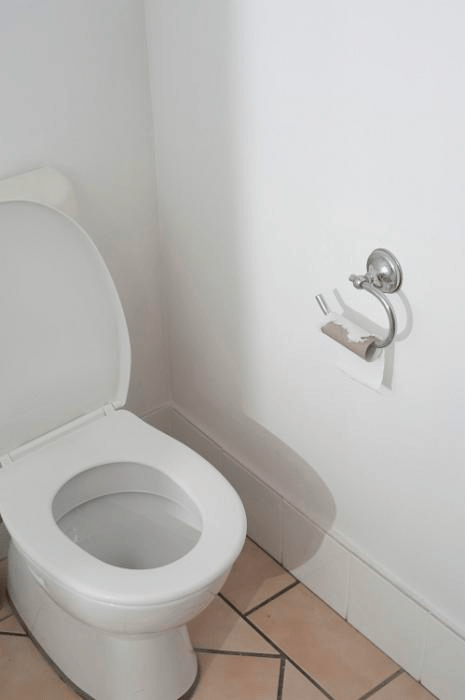
It is thought that 5.9% of all beach litter in the UK are items that have been flushed down the loo when they should have gone in the bin.
They go on to say that “93% of London’s fatbergs are actually made from wet wipes, and only contain 0.5% fat”.
On the New Forest National Park website in an article on ‘improving water quality talks about the effects of “phosphorus which comes from the food we eat and the cleaning products we use.
Many smaller wastewater treatment works and all private systems (like septic tanks) don’t have the capability to remove phosphorus during treatment, resulting in it being discharged into our rivers.
It feeds nutrient-hungry algae instead of the more wildlife friendly plants usually found in the Forest’s rivers. When the algae die and are deposited as sediment, it can smother plants and use up oxygen as it decomposes, suffocating aquatic insects and fish.
As well as threatening our wildlife, these processes can prevent us from using and
enjoying our waterways, polluting rivers, threatening angling, water sports and
shellfisheries, and contributing to flood risk.”
It goes on the say that we “can help by keeping your septic tank in good order (see their septic tank leaflet here).
It also suggests that we can “reduce the amount of phosphate we contribute via domestic cleaning products. Some commonly used products, such as dishwasher tablets, can be up to a third phosphate and using alternatives can have a great benefit for wildlife.”
If you want to know more about phosphate pollution, read the phosphorus leaflet here.
‘A clean home shouldn’t mean a dirty river‘
The leaflet informs us that a clean home shouldn’t mean a dirty river and this is “one area where every householder can make a difference: phosphates used in domestic cleaning products account for nearly a fifth of the phosphate from our homes, so being selective in your shopping can help to protect our local rivers.
The Government has taken action to reduce the amount of phosphate in laundry detergents, but many other products still have a high content. Dishwasher detergents are a particular culprit with some containing over a third by weight, but a number of manufacturers don’t use phosphate at all.“
Brands with no phosphates include:
Ecover, Planet Clean, Ecozone, Attitude, Ecoleaf, No more plastic waste
Also check your laundry detergent for harmful phosphates and choose a phosphate-free product instead.

In summary, we can own our actions and own our impact:
-Don’t pour oil down the sink
-Don’t flush wet wipes, disposal nappies, cotton buds, condoms or dental floss down the toilet
-Rethink the chemicals and cleaning products and consider using phosphate-free dishwasher tables and washing detergents.
As a side note, did you know that you can make detergent out of conker or ivy leaves? These may well feature in a future post!
Thank you for reading this and we hope it has given you ‘food for thought’ about how we can own our actions and own our impact and stop adding to pollution.
 Brockenhurst Women's Institute